INTEL-001 // FIELD PROTOCOL
What to do if you see a UFO
Most witnesses freeze. A few document. Learn the first 90 seconds before memory degrades.
The intel hub is not a blog roll. It is the public archive: UAP history, NHI threat profiles, field protocols, and the psychological map of what people do when the signal arrives.
These are the files most likely to move a visitor from curiosity to classification without turning the page into homework.
Filter by intent. The archive should feel like a classified terminal, not a pile of thumbnails.

Most witnesses freeze. A few document. Learn the first 90 seconds before memory degrades.
From testimony to executive orders. The public record has been moving faster than civilians notice.
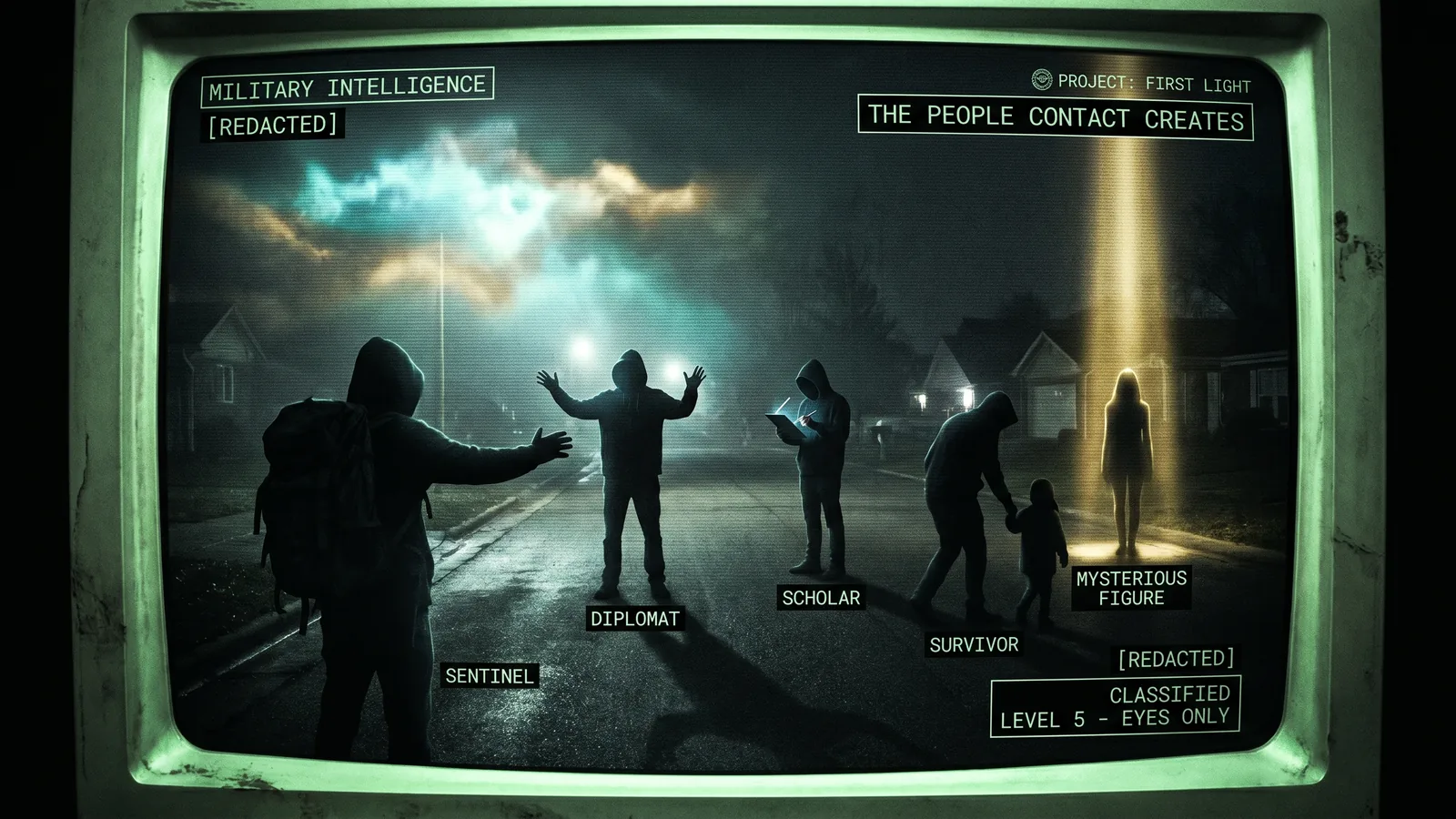
Sentinel. Diplomat. Scholar. Survivor. First Contact. The room divides before anyone votes.

The Drake equation, Pentagon admissions, witness testimony, and the pattern hiding in public.

Mental frameworks, archetype training, card protocol, and why preparation beats belief.
The Great Filter, Zoo Hypothesis, Dark Forest, and the possibility nobody wants to say out loud.
Blue Book to AARO. Seven decades of study, denial, partial release, and controlled vocabulary.
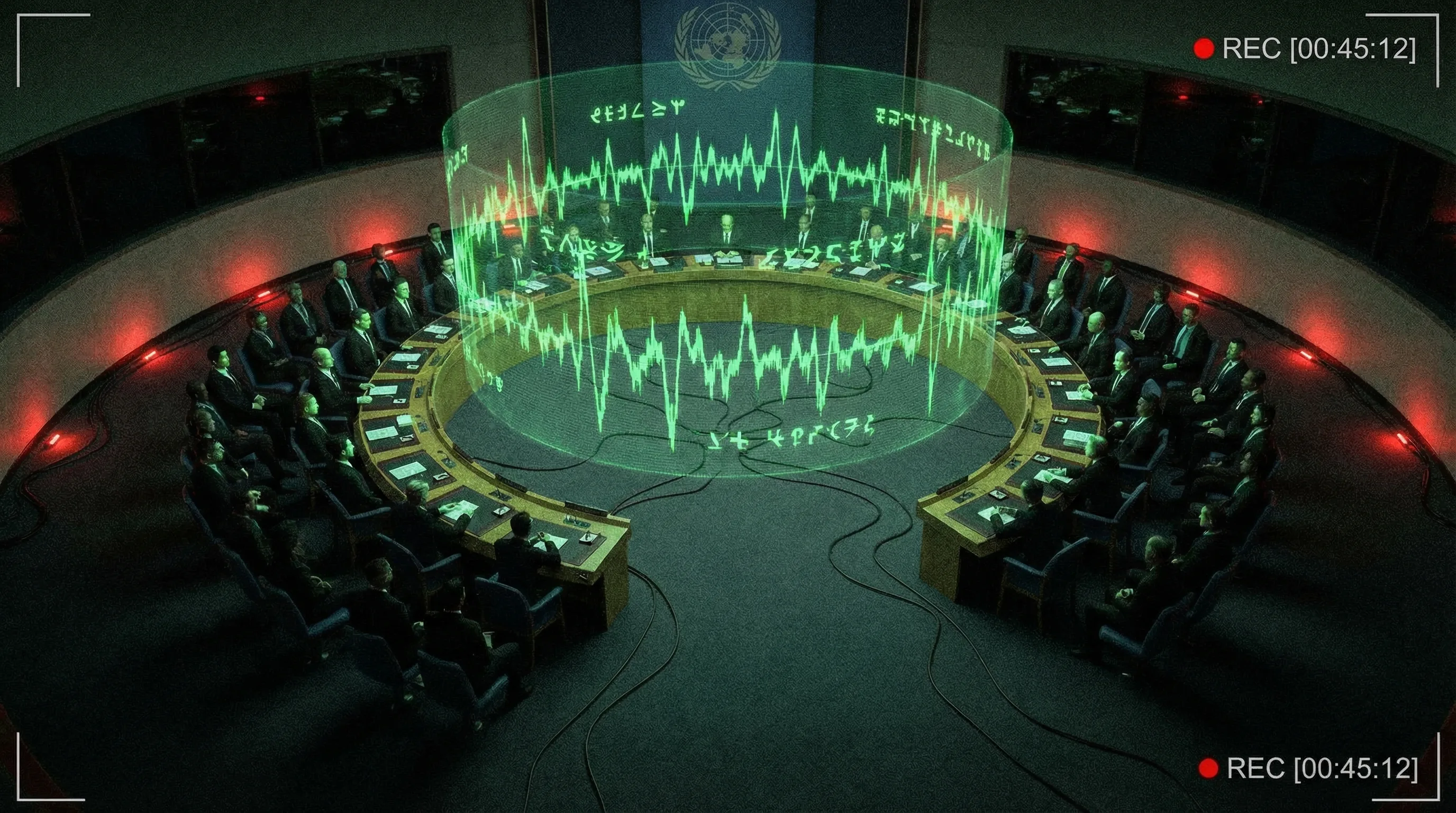
Not the movie version. Detection, government response, civilian cascade, and the social shockwave.
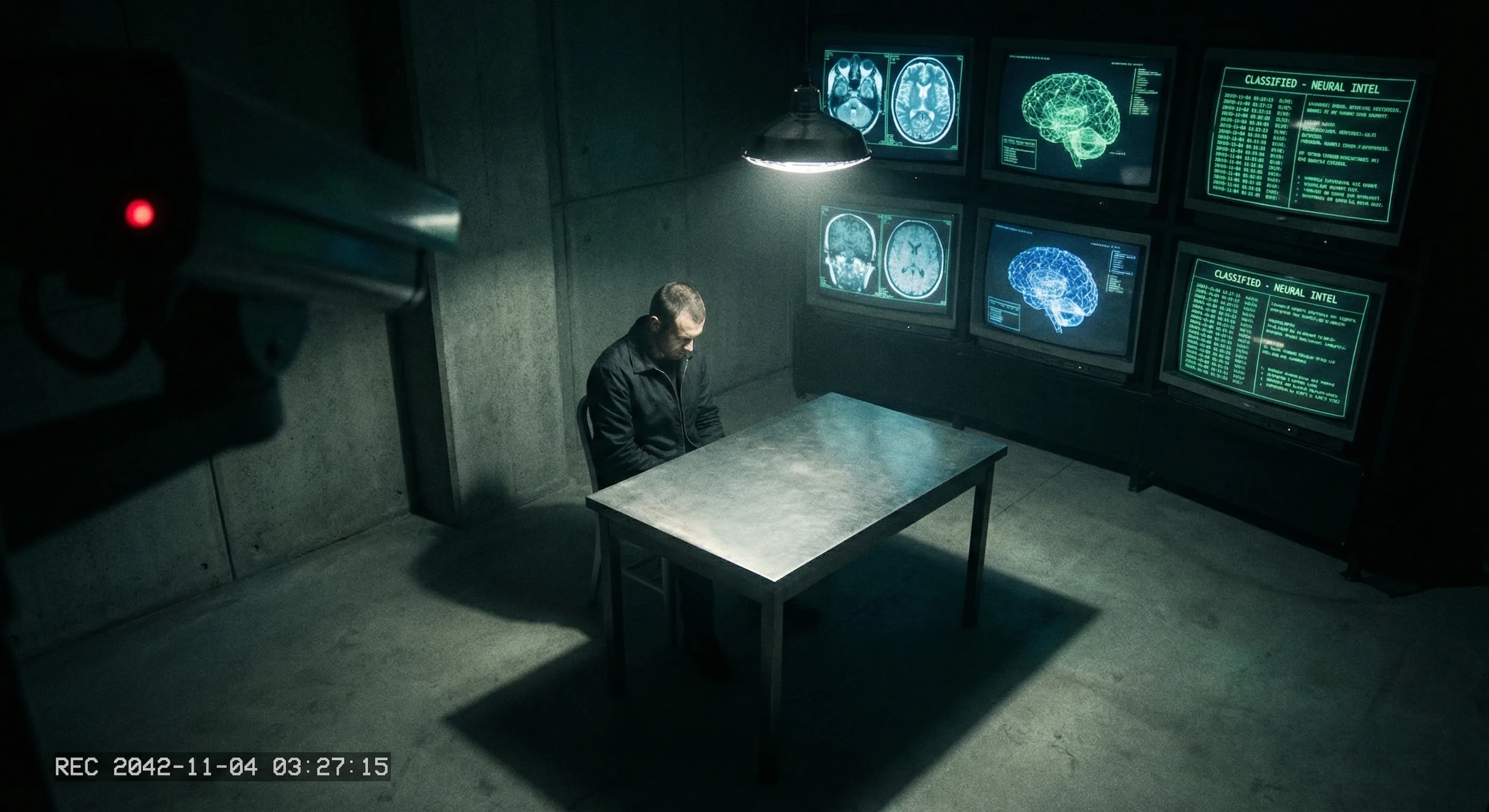
Fight, flight, freeze, engage. Your response is not random. It is rehearsable.
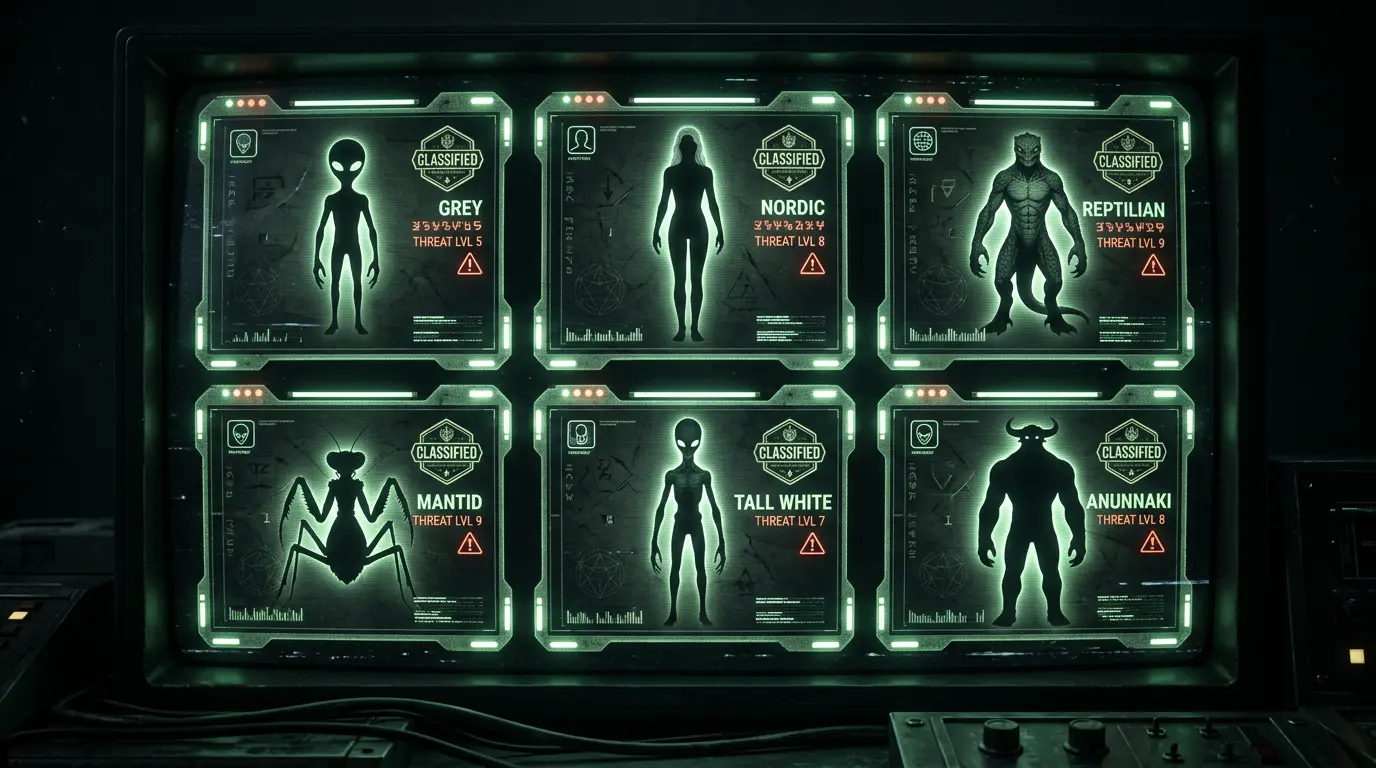
Six non-human intelligences. Six profiles. Conditional, high, critical, and classified risk.
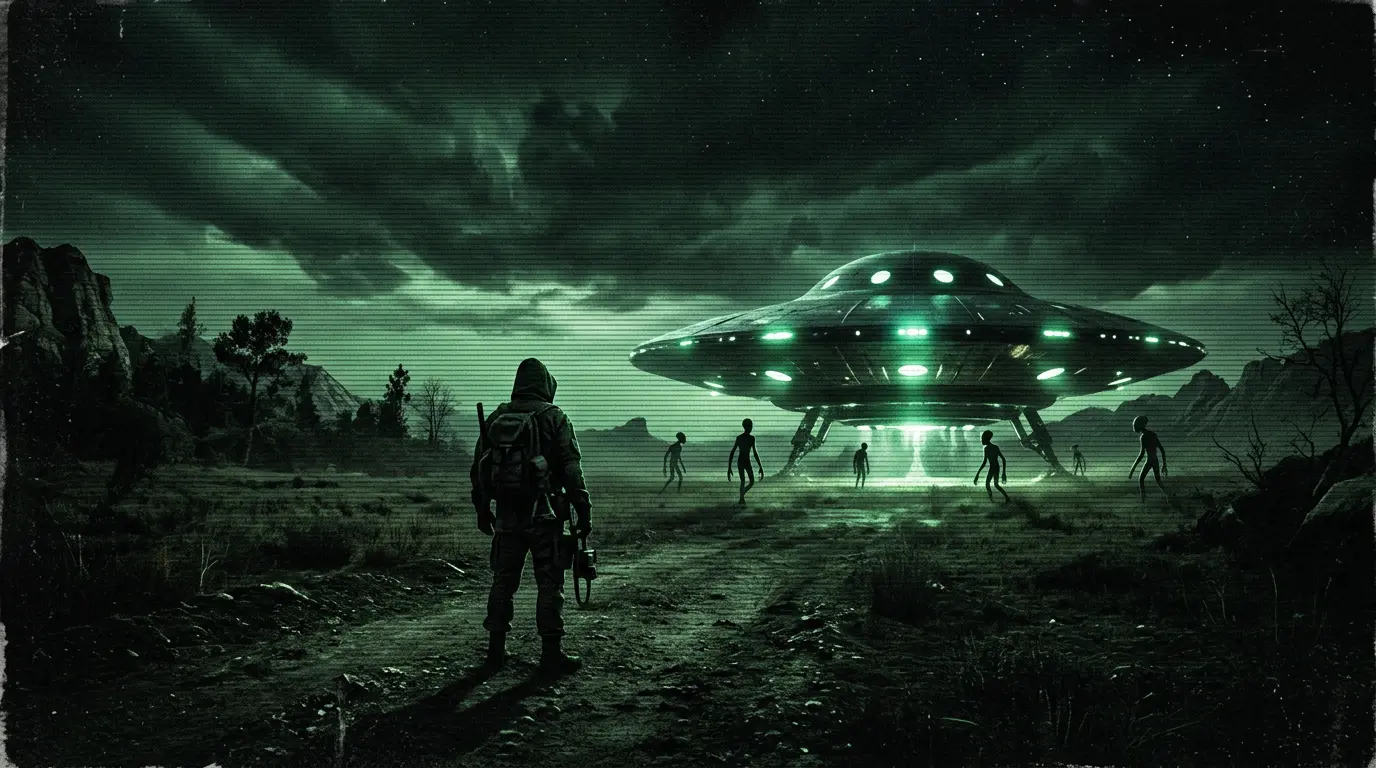
Reported encounter patterns, civilian response rules, and the calm protocol that matters before anything else.
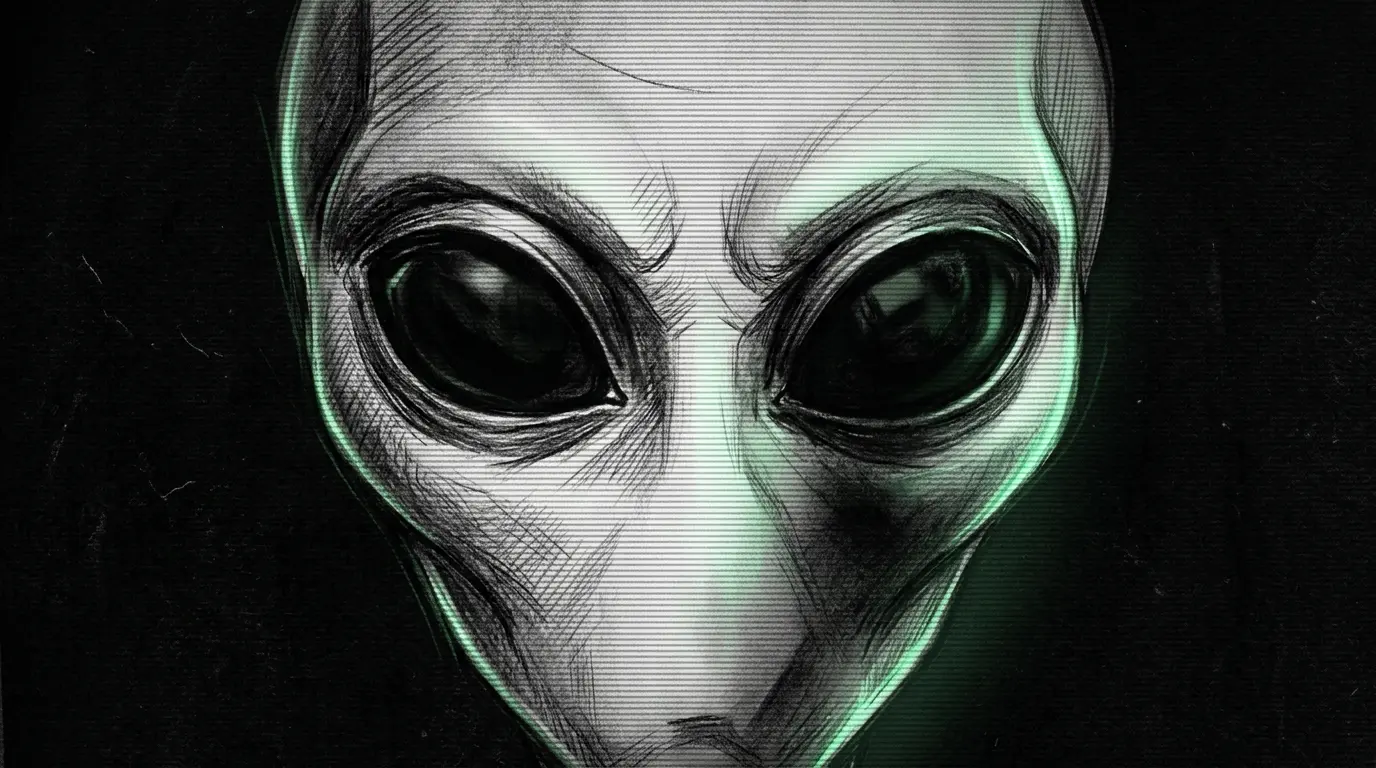
Reported clinical contact patterns and the civilian rules for staying calm, still, and useful afterward.
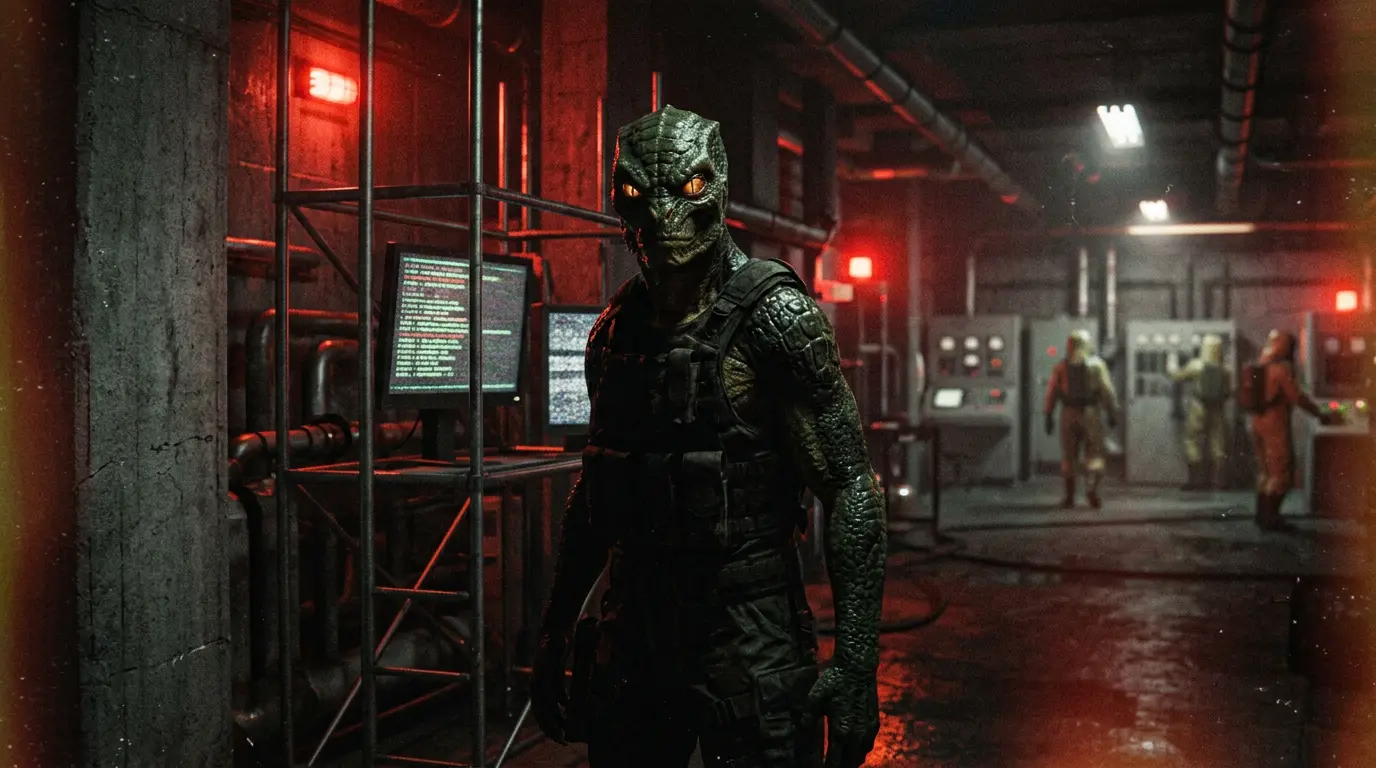
In encounter lore, dominance cues matter. The safest civilian response starts with not challenging.
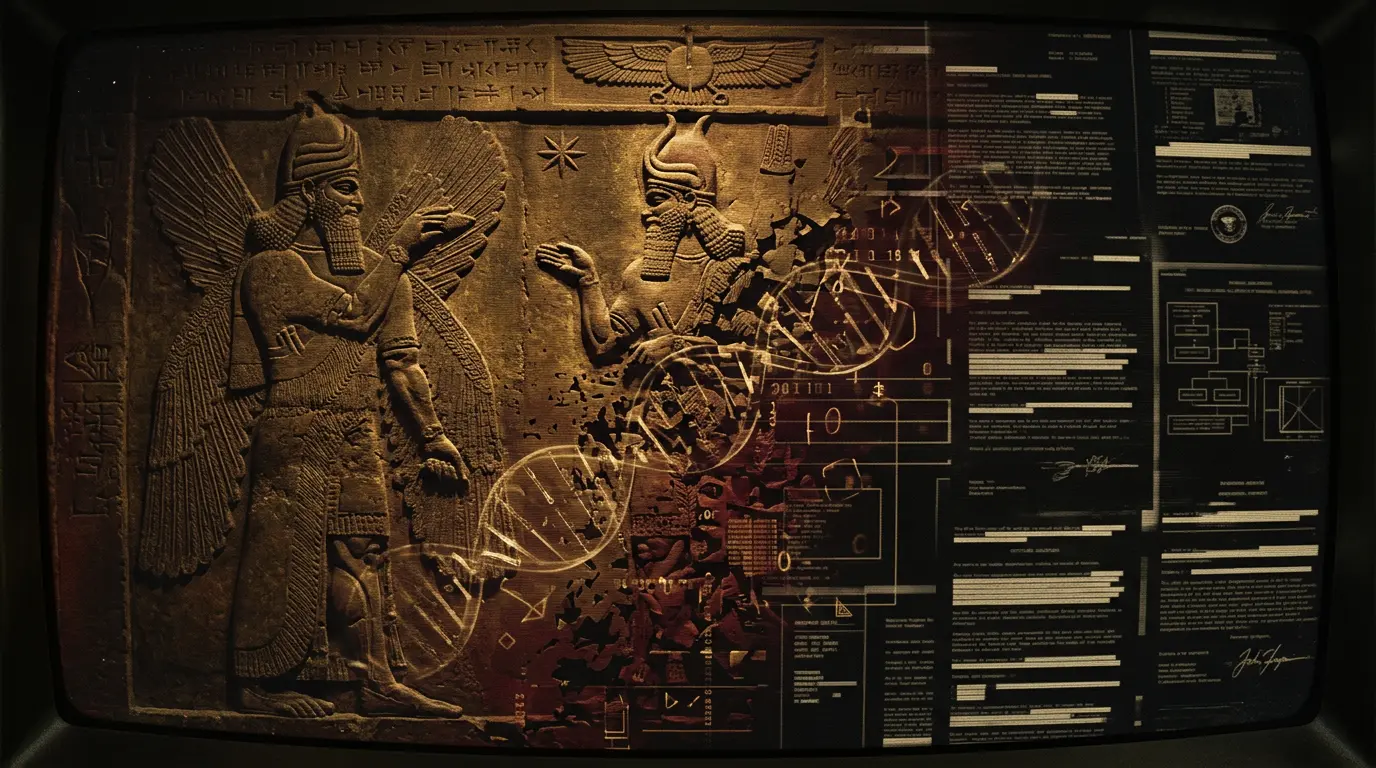
Ancient astronaut claims, origin myths, and how to think clearly when a theory feels too big to ignore.
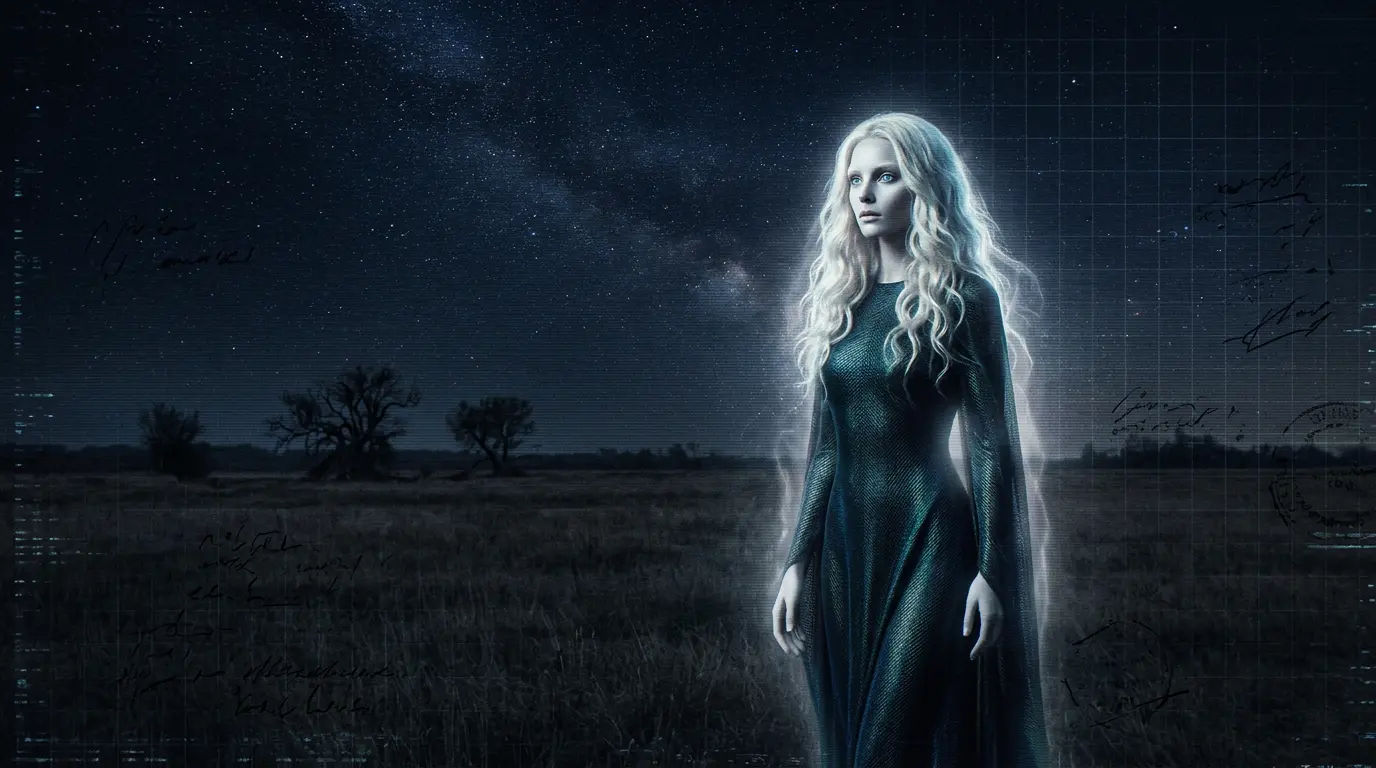
Human-looking contact reports can feel reassuring. Protocol still matters more than appearance.
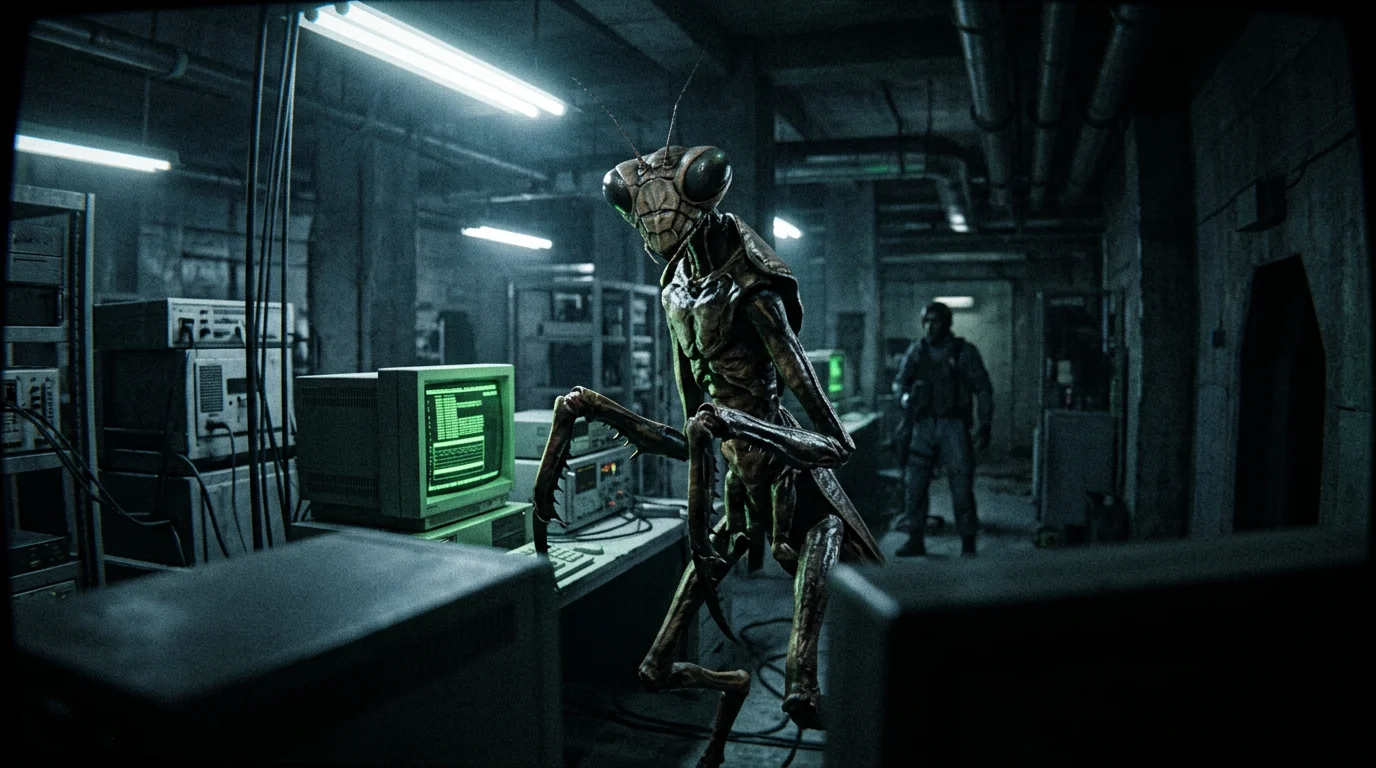
Reported clinical contact, specimen fear, and the civilian protocol for preserving memory under pressure.
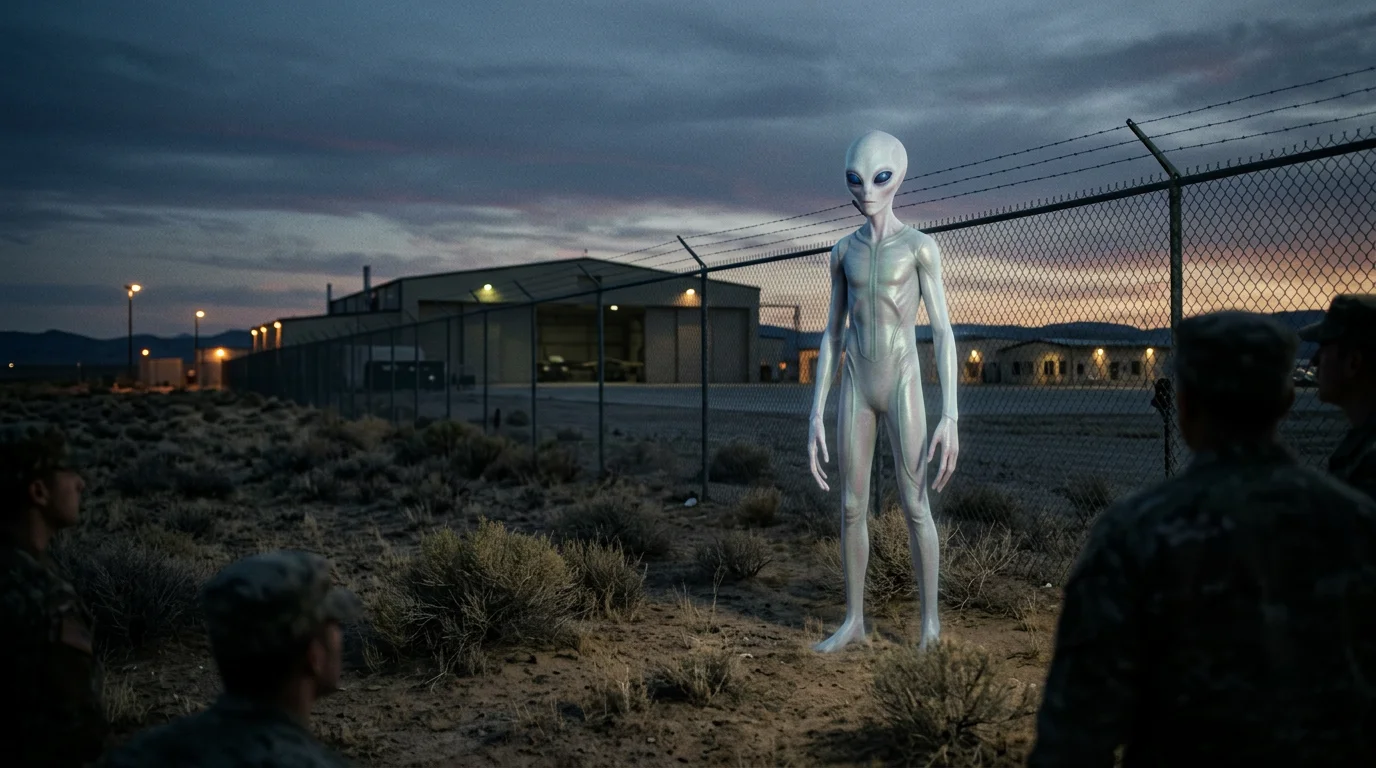
The Charles Hall story as a behavior lesson: stay composed before you understand the rules.
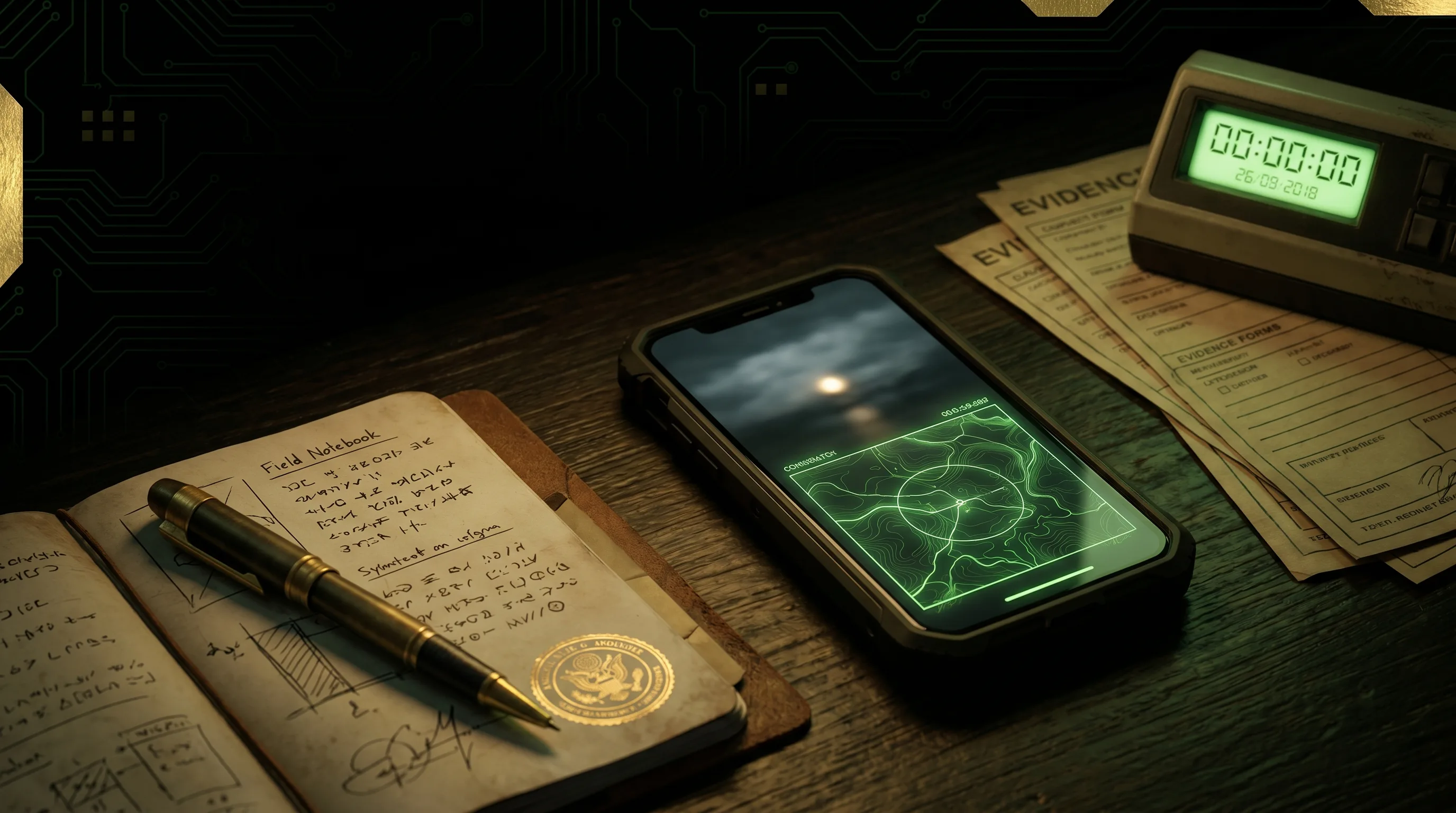
Build a clean civilian report with time, location, witnesses, original files, and zero overclaiming.
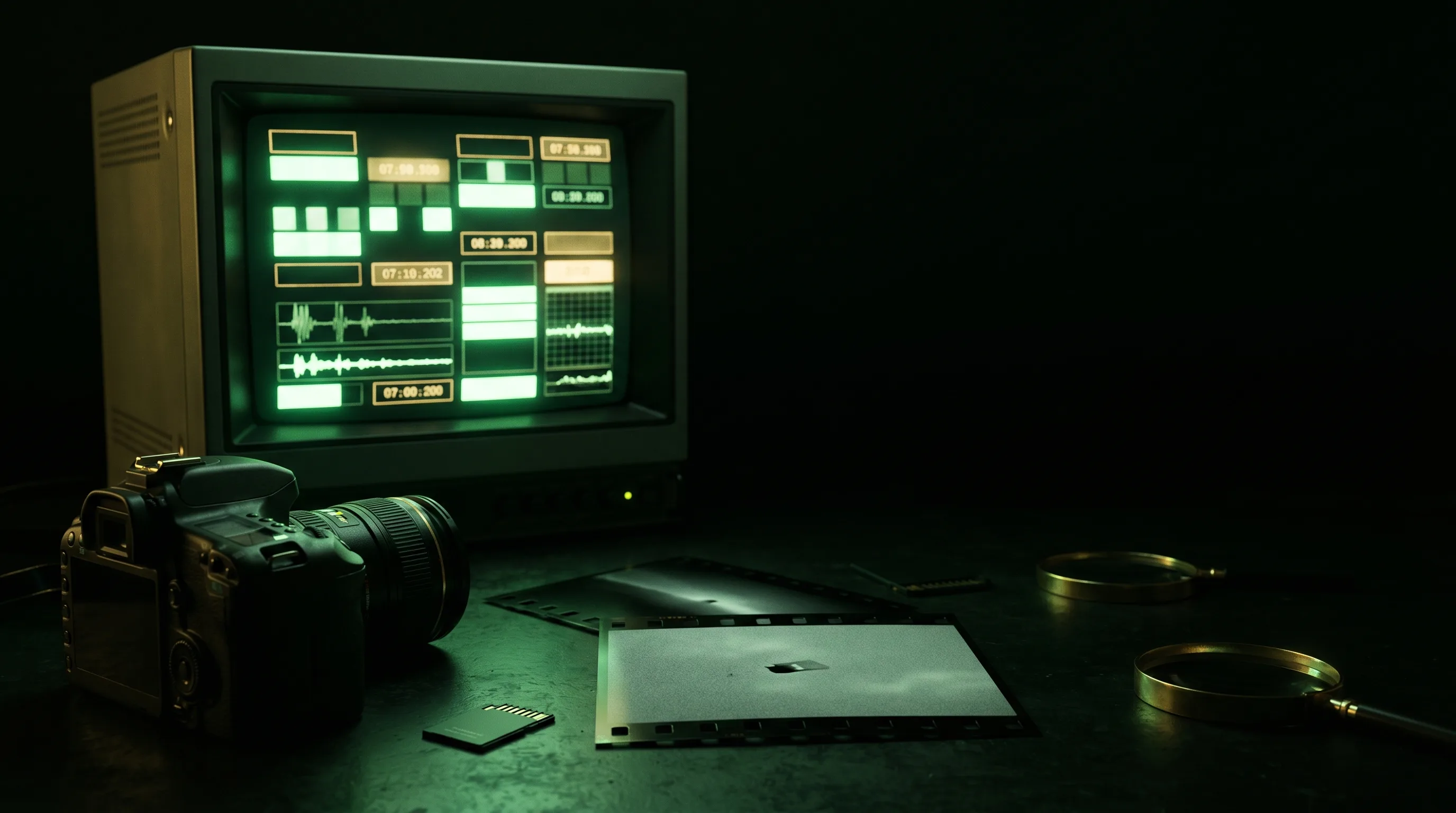
Photos, video, metadata, witnesses, sound, motion, and the details investigators can actually use.
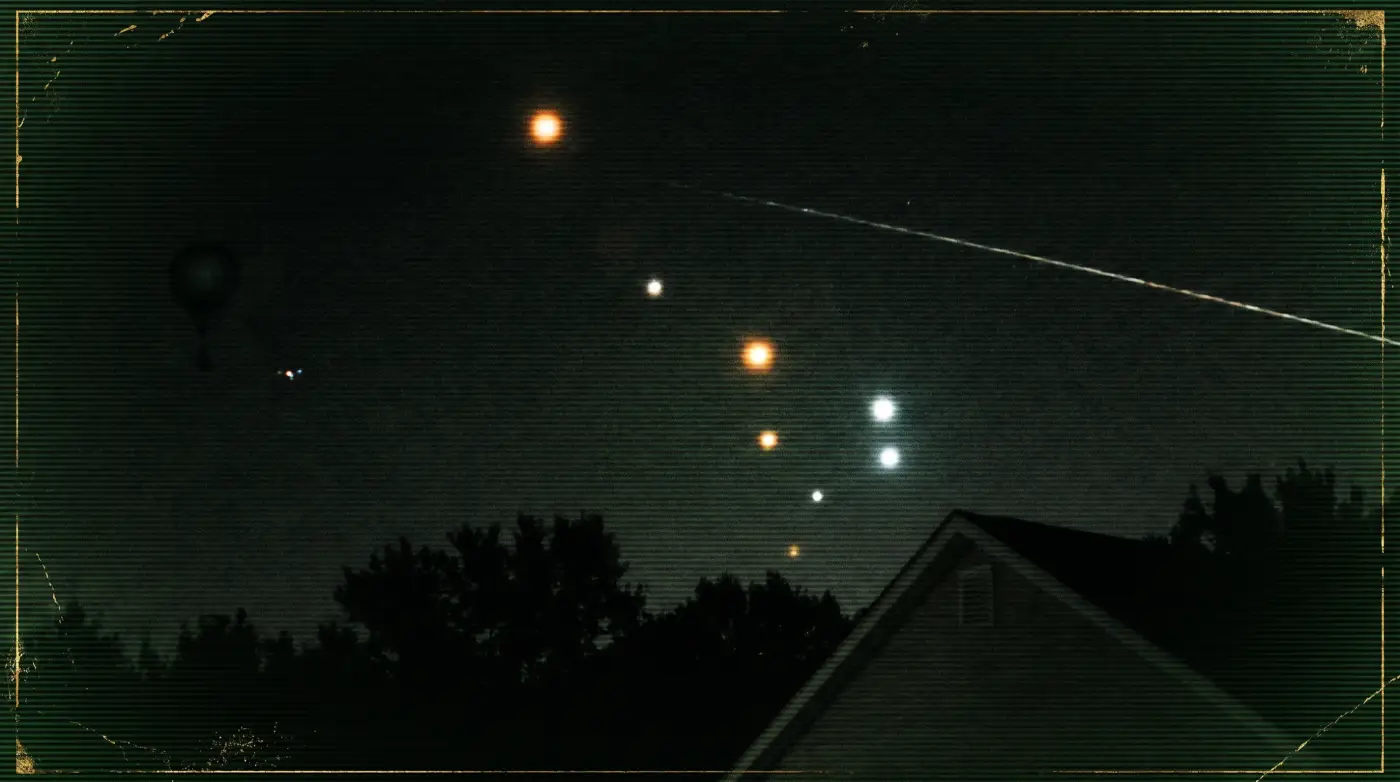
Drone, satellite, balloon, aircraft, or unknown. Rule out the normal before the story mutates.
CE1, CE2, CE3, CE4, and CE5 claims explained in plain language for civilian response.
Stabilize first, document the gap, preserve evidence, and get support if the event shook you.

Lead with facts, protect credibility, avoid drama, and help people understand what you actually saw.
The Pentagon UAP office, what it can report, what it cannot prove, and why civilians should care.
National Archives, declassification pressure, and how to read records without inventing the missing parts.
Your nervous system is not broken. It is untrained. Learn how to rehearse the first breath.
Benevolent contact claims, spiritual messaging, and the protocol risk of relaxing too early.
The origin story behind Grey alien lore, abduction narratives, and clinical-contact protocol.
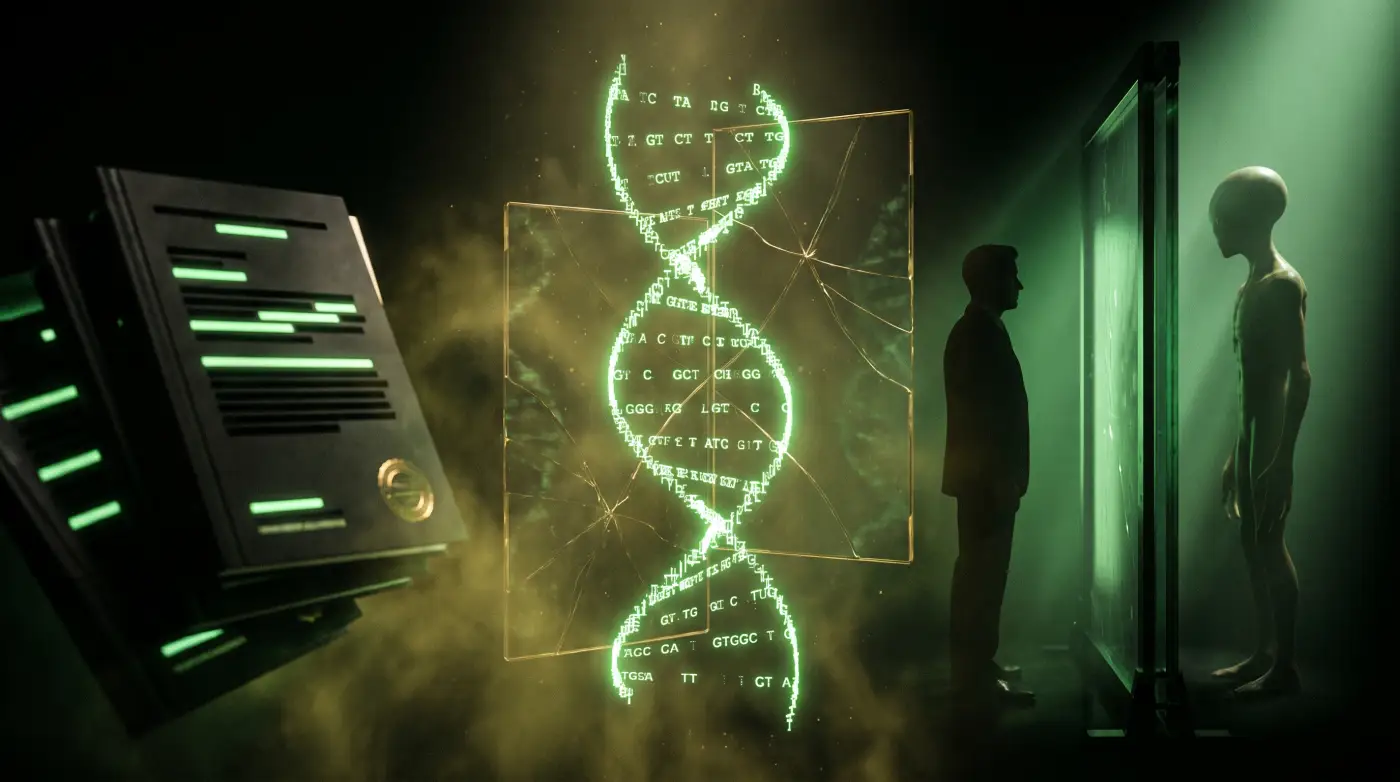
Contested abduction lore, genetic claims, and the civilian rule: document before belief hardens.
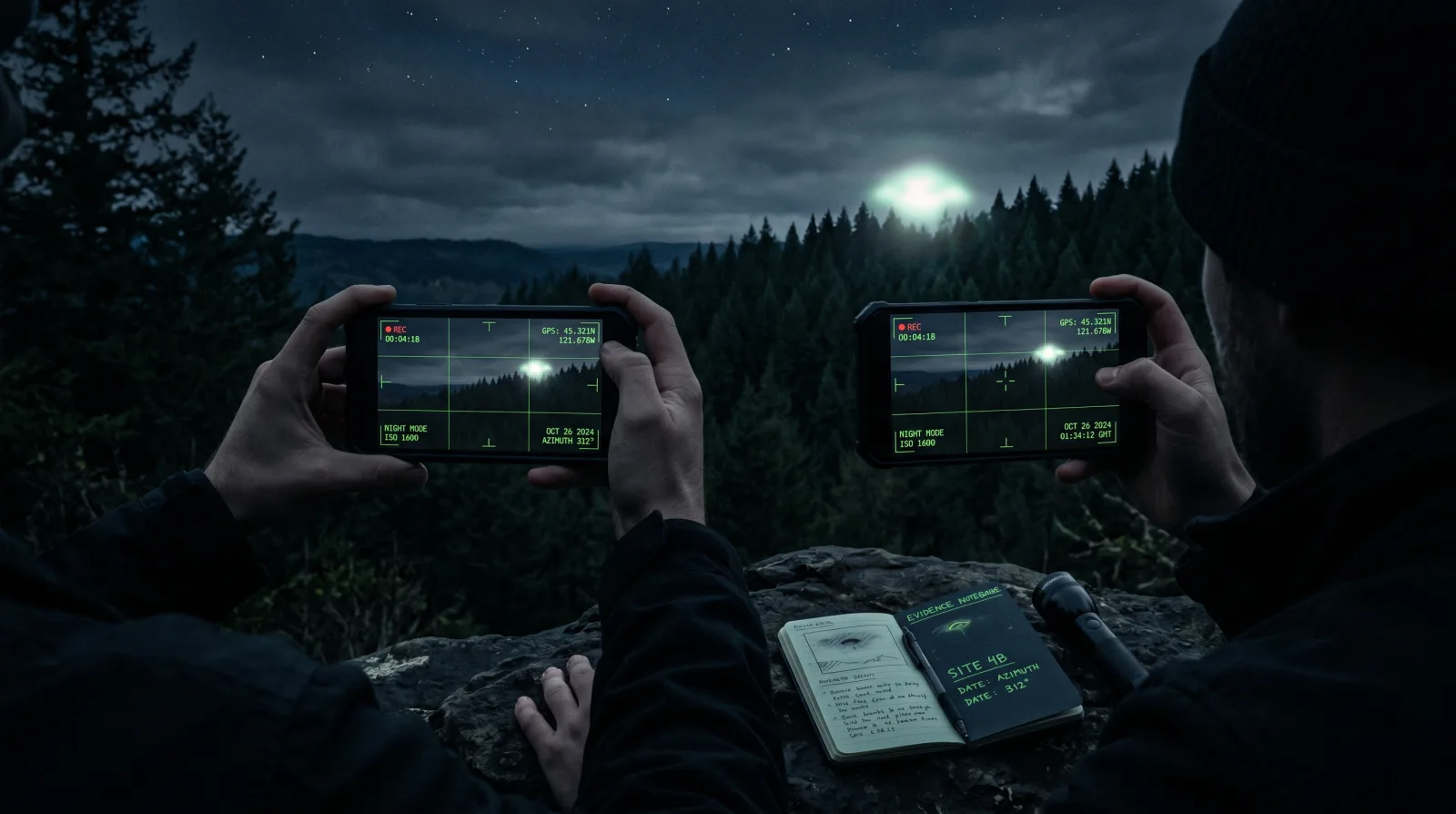
Steady framing, reference points, exposure discipline, and witness narration when the sky refuses to behave.
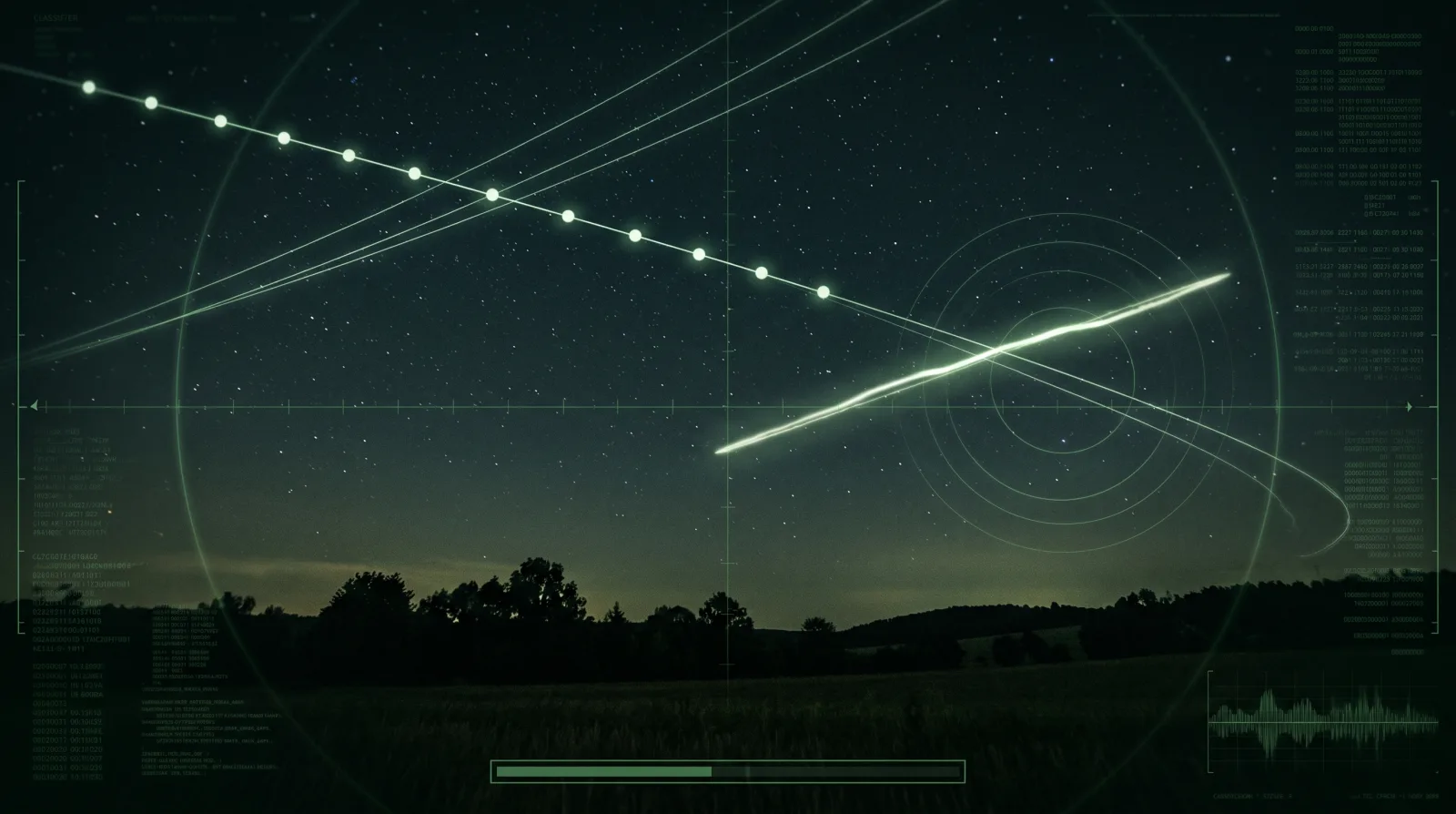
How to tell satellite trains, flares, and ordinary orbital motion from an actually unresolved sighting.
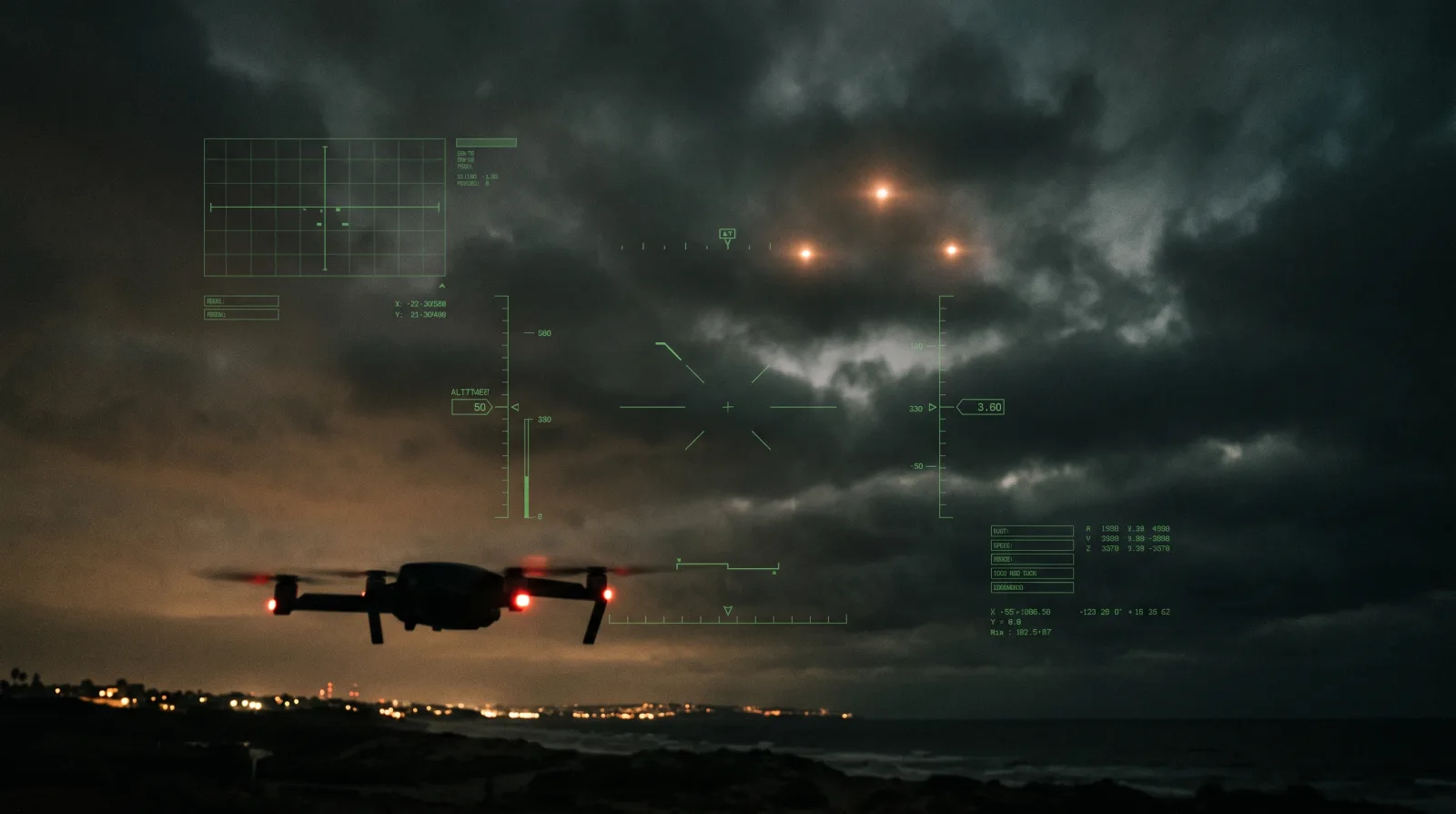
Navigation lights, sound, hover behavior, battery limits, and the checks that keep a sighting credible.
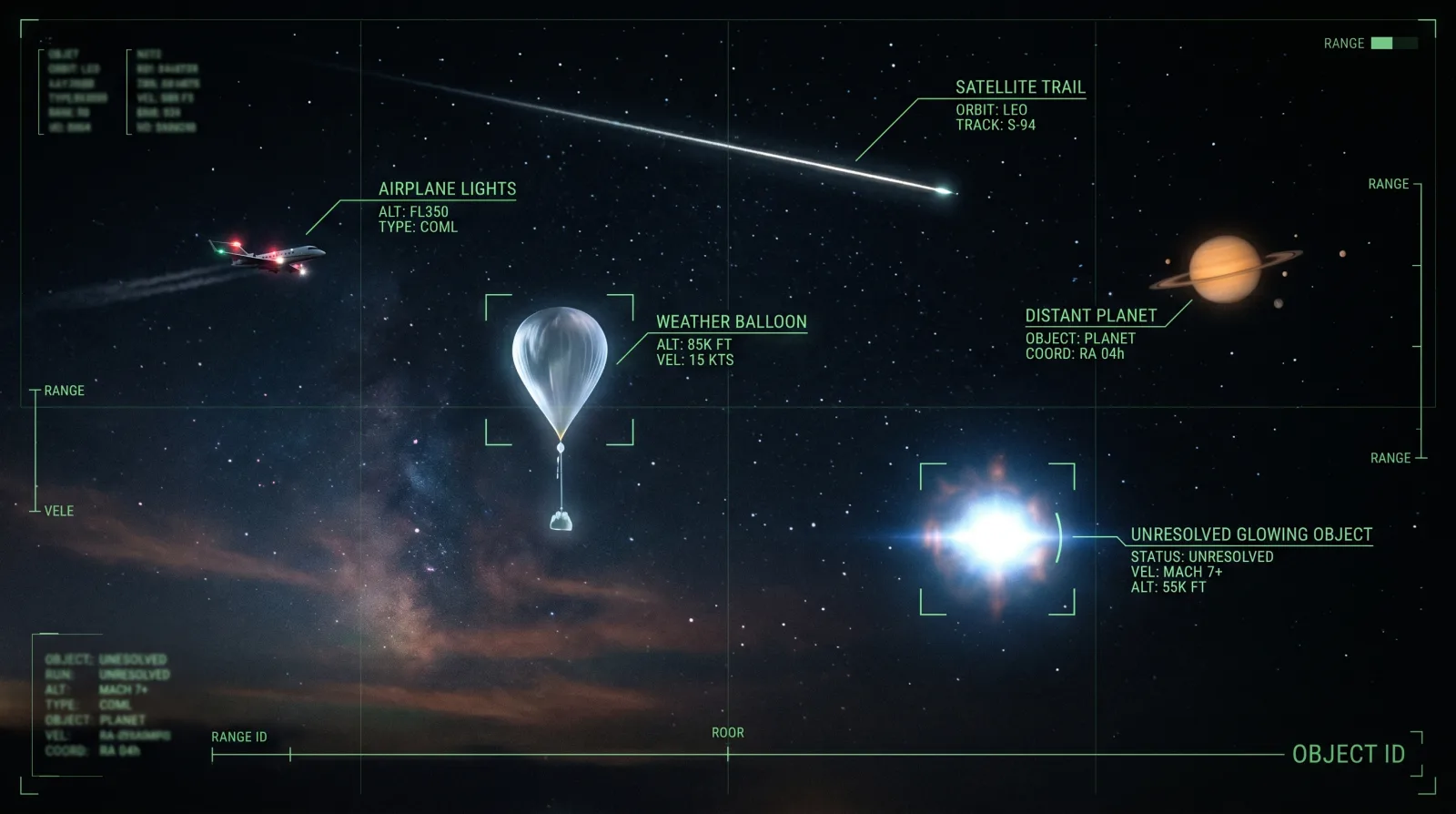
The civilian filter for common sky-object mistakes before a report becomes folklore.
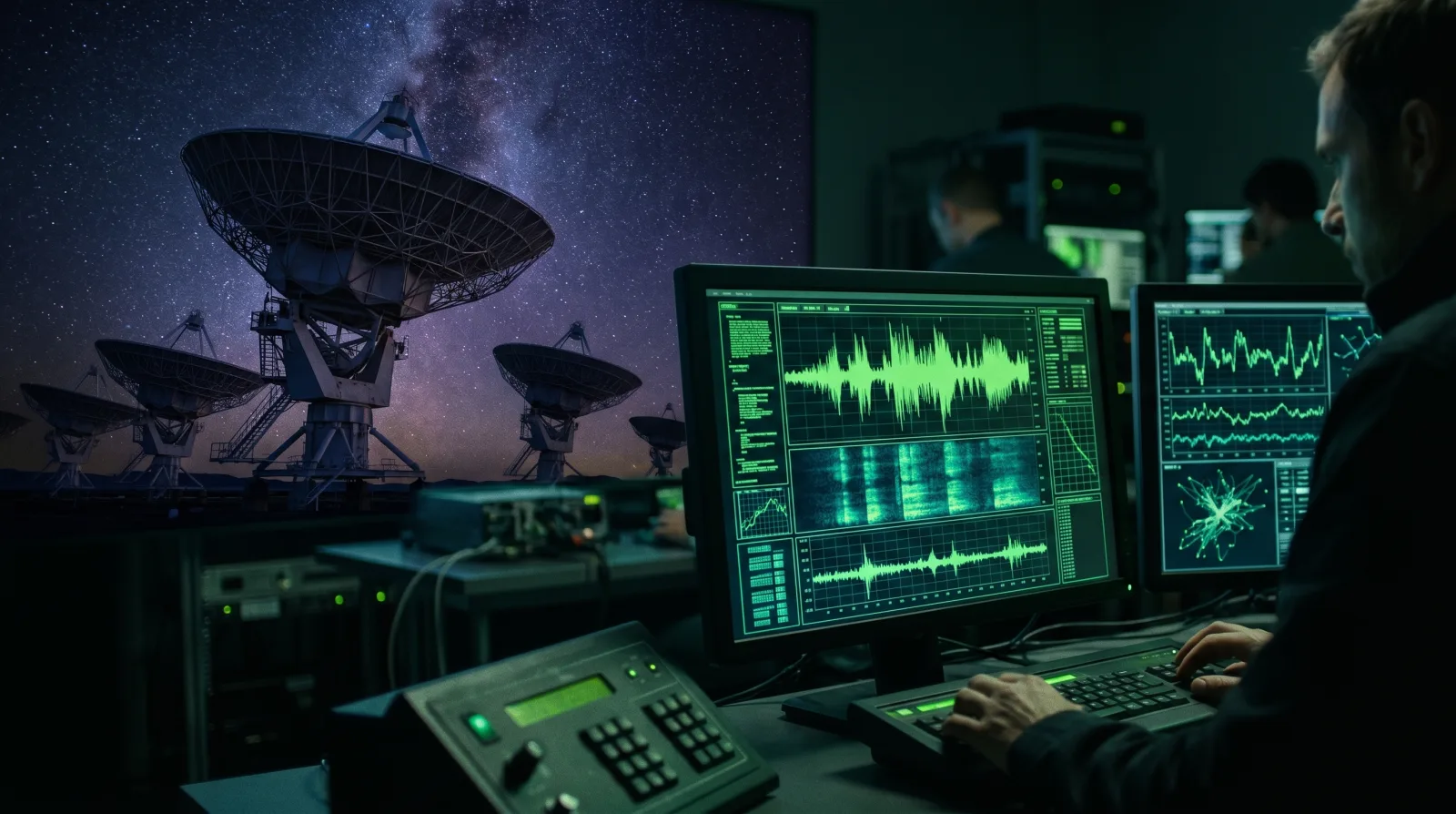
What scientists do after a possible signal, and why verification matters before revelation.
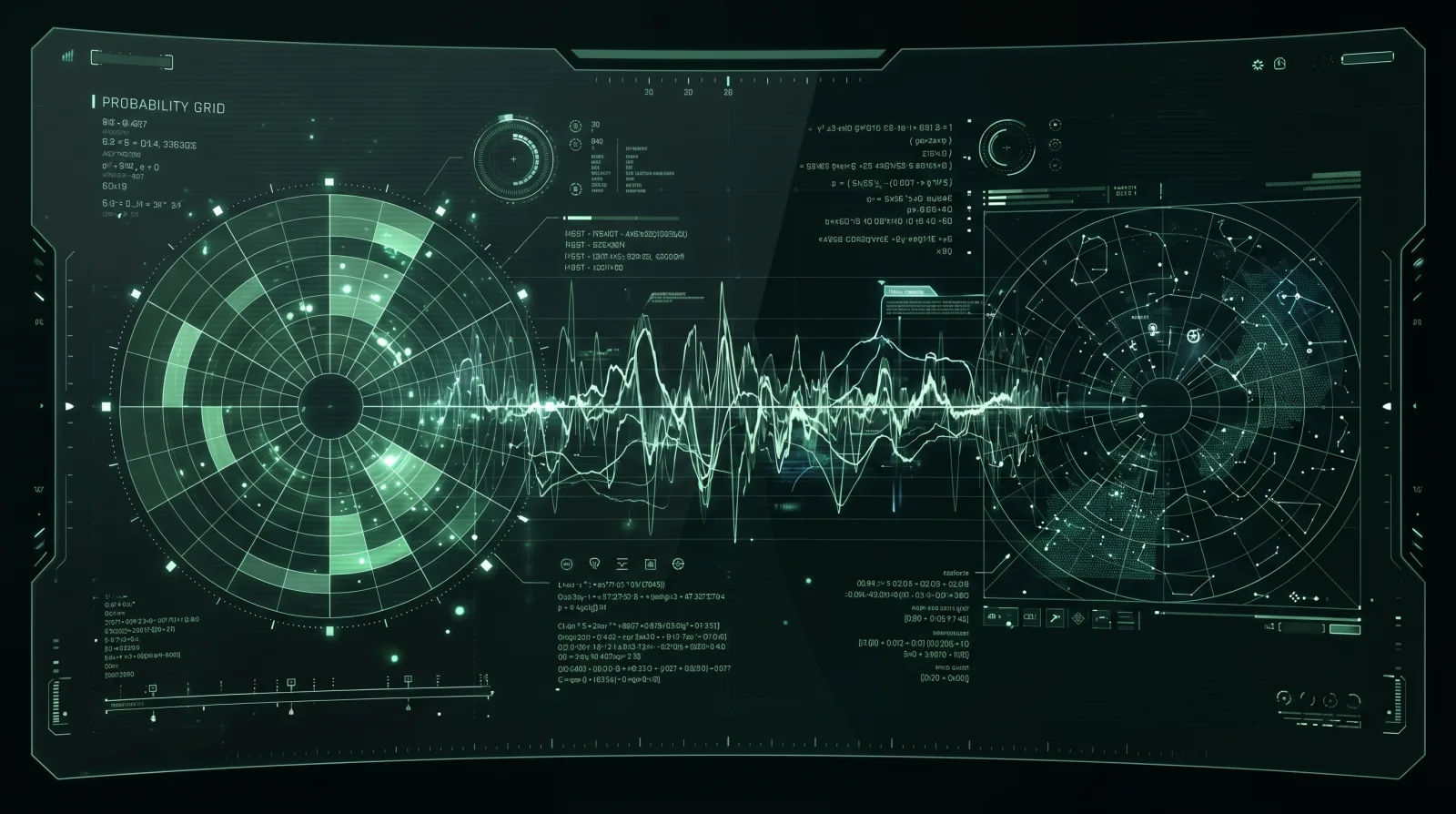
A plain-language scoring model for possible contact signals, evidence strength, and public impact.
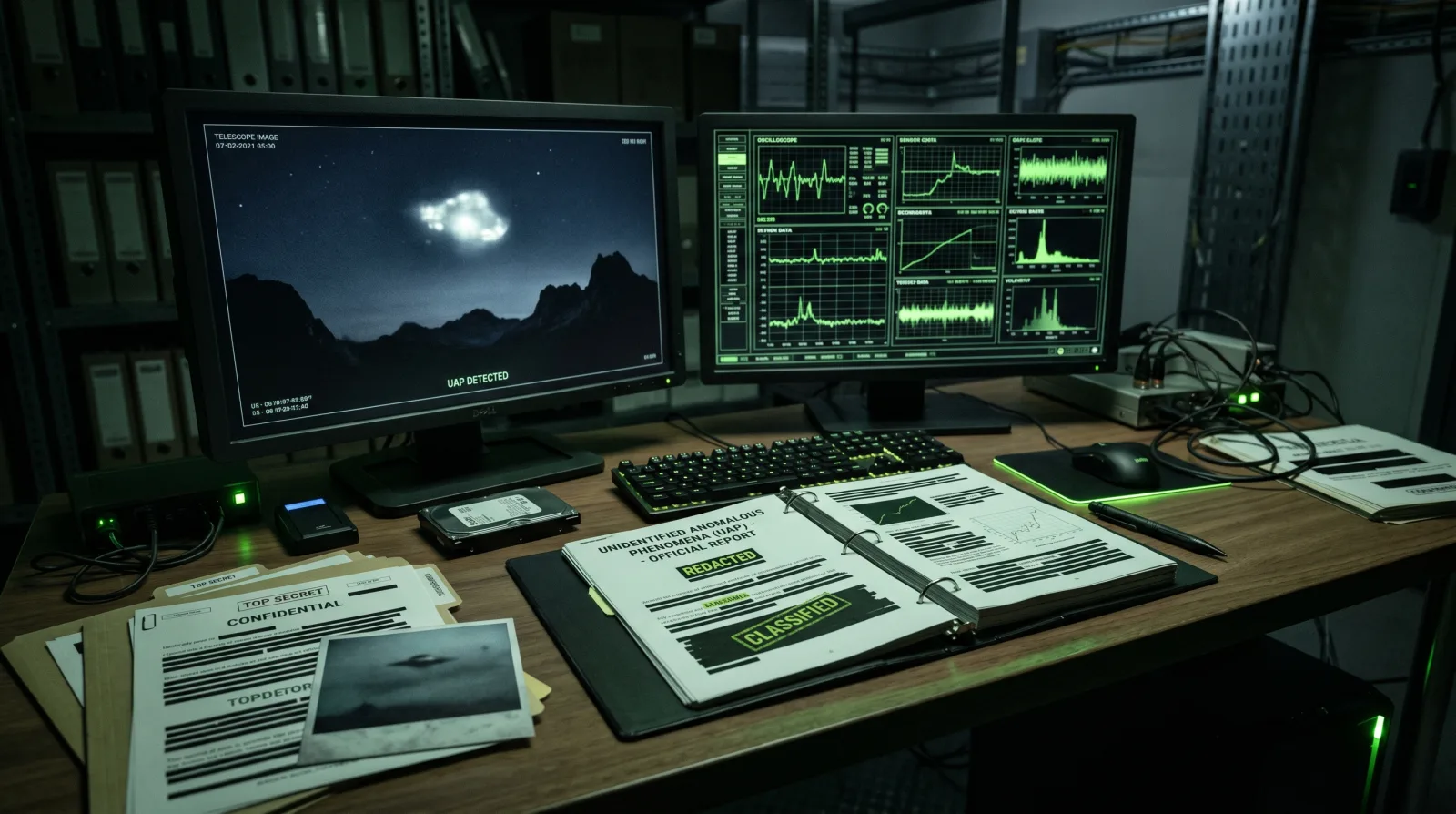
What the NASA UAP study did and did not say, without turning gaps into gospel.
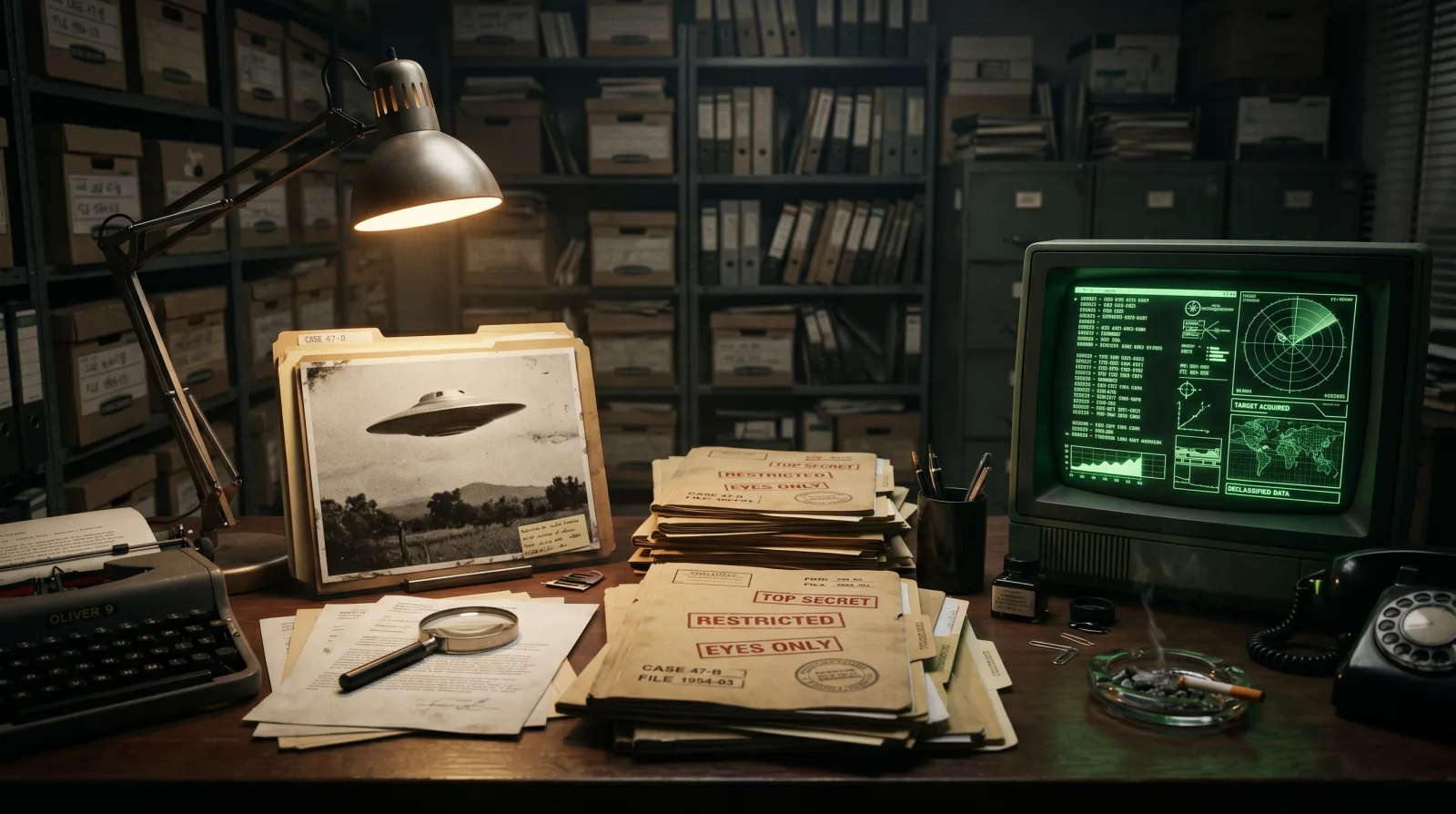
The Air Force case archive, its limits, and what civilians should learn from official uncertainty.
A contact model where the stranger part is not distance, but the rules of the room itself.
If contact arrives as machines first, civilian protocol changes from greeting to boundary management.

The theory that Earth is observed but not openly contacted, and what that does to human behavior.
How to read ancient-contact claims without confusing myth, archaeology, and modern hunger for patterns.
When the event is over but reality still feels unstable, this is how to stay grounded.
Support the person, preserve the record, and bring in professional help when distress or symptoms require it.
Stigma destroys useful reports. Learn the safer language for sharing without overclaiming.
Panic is not inevitable. Roles, spacing, and verified information keep civilians useful.
Distance, documentation, crowd control, and the civilian rule: do not become the second incident.
Keep kids, pets, partners, and neighbors calm while one person documents and one person watches.
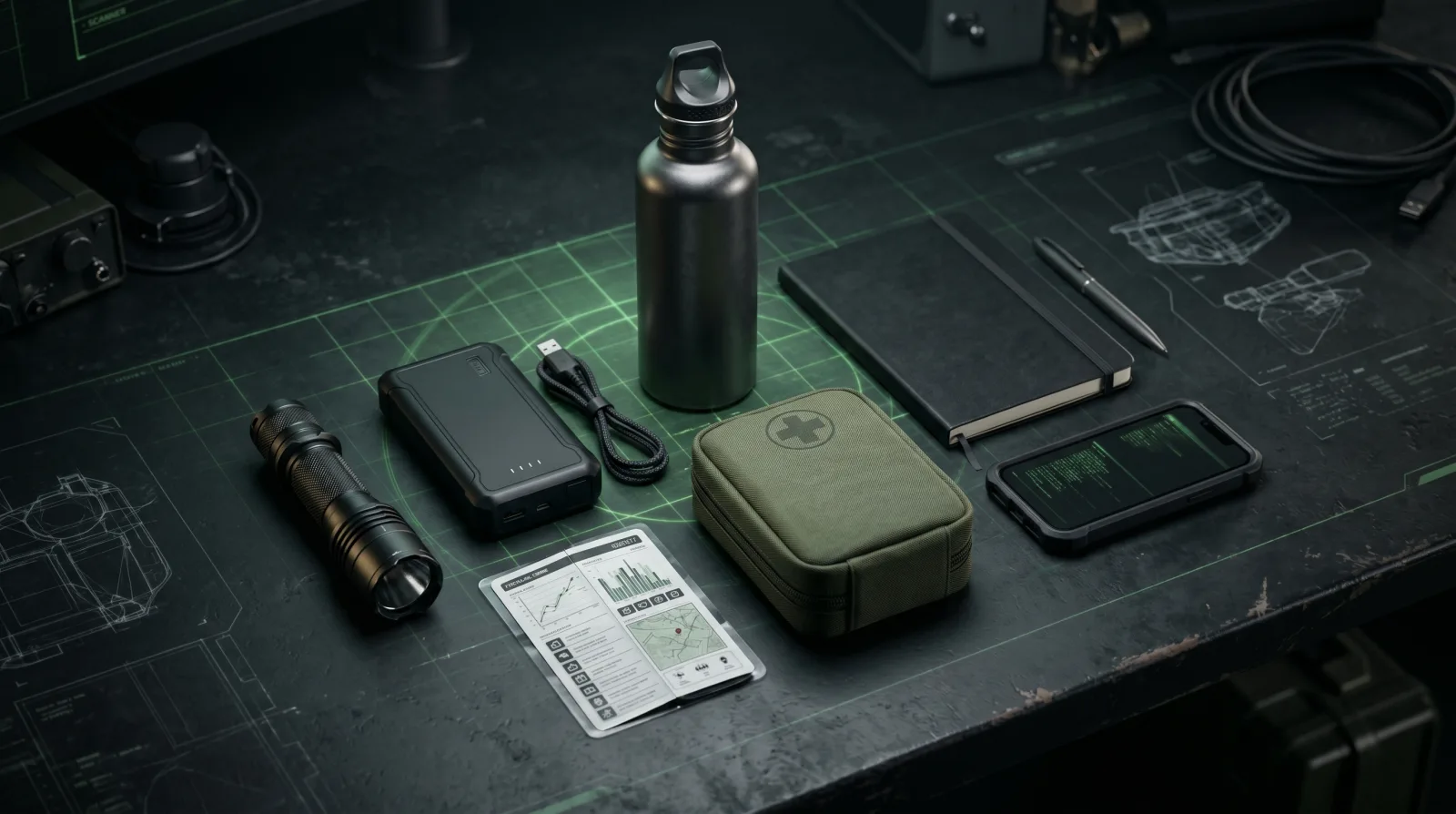
The practical kit for power loss, documentation, first aid, pets, family, and signal discipline.

Do not chase, do not panic-drive, do not stop in danger. Preserve safety before footage.
The claim, the official record, the folklore engine, and what serious civilians should separate.
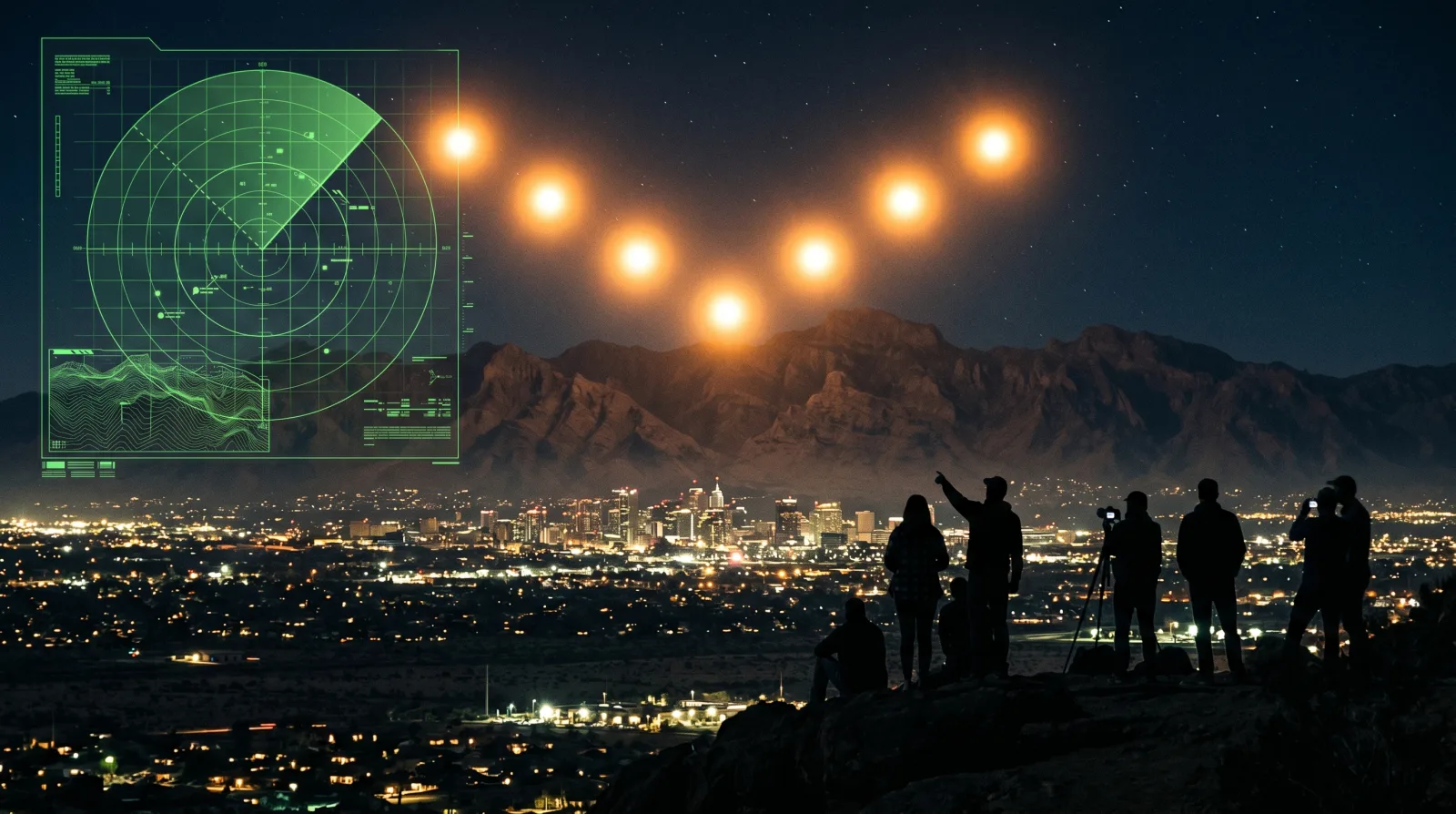
Mass witness event, military explanation, unresolved perception, and the discipline of public sightings.
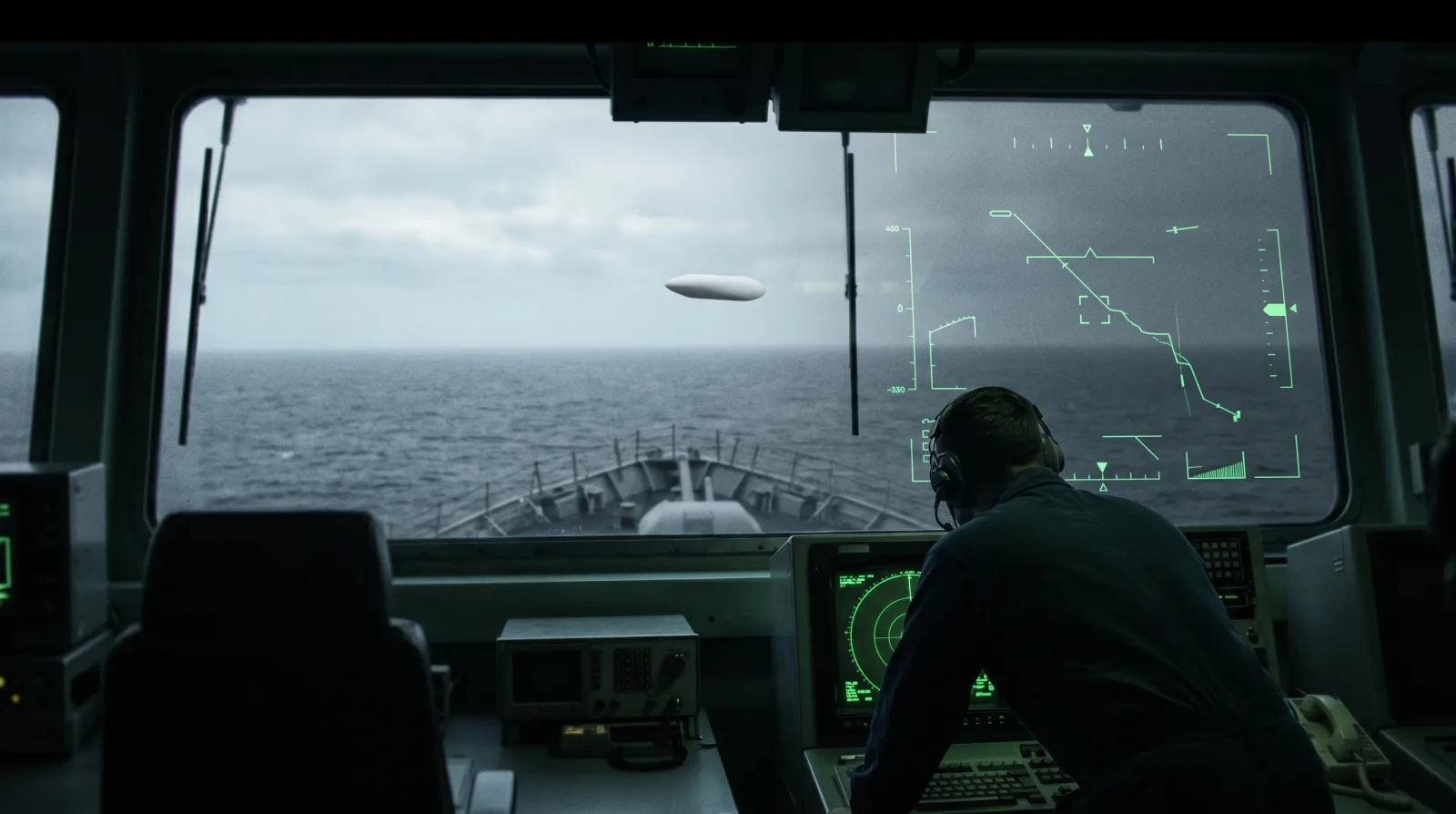
The modern case that rewired the public conversation: sensors, pilots, uncertainty, and restraint.
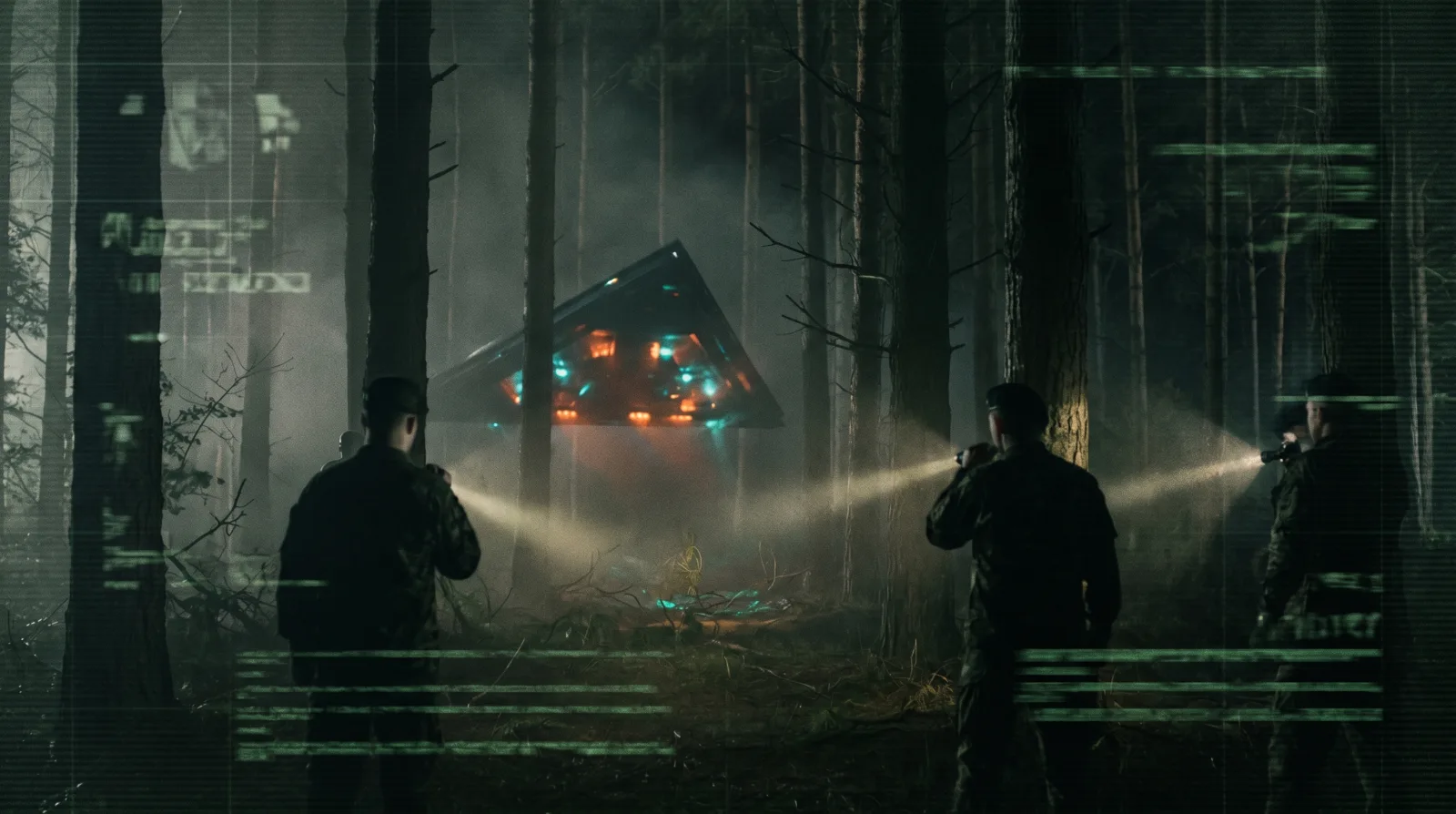
Witness claims, military context, forest-site confusion, and why memory discipline matters.

How to stay informed without letting the feed turn curiosity into dread.
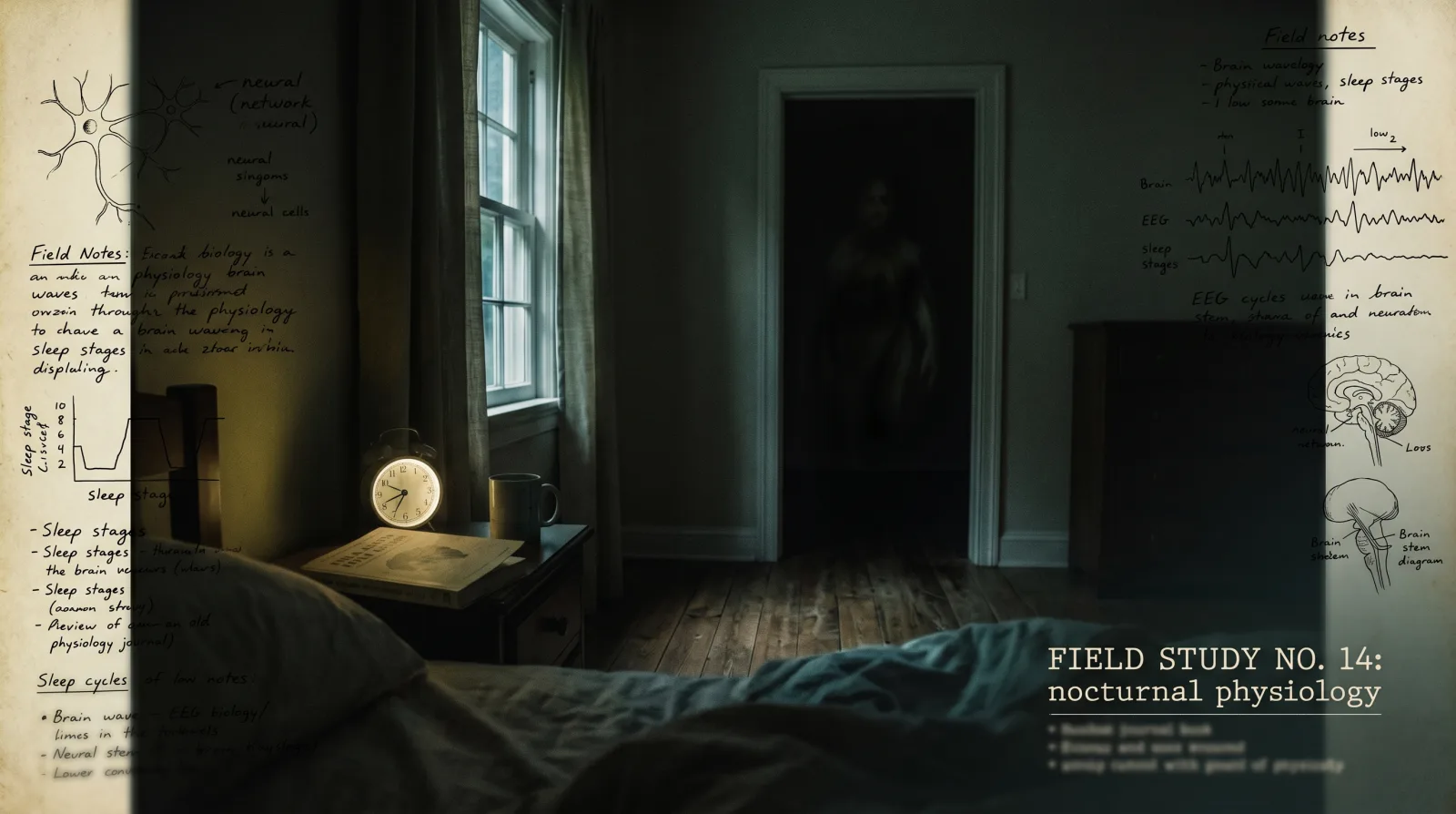
A careful, non-diagnostic guide to nighttime fear, memory, and when to seek support.

How to evaluate contact dreams without turning symbolism into evidence overnight.
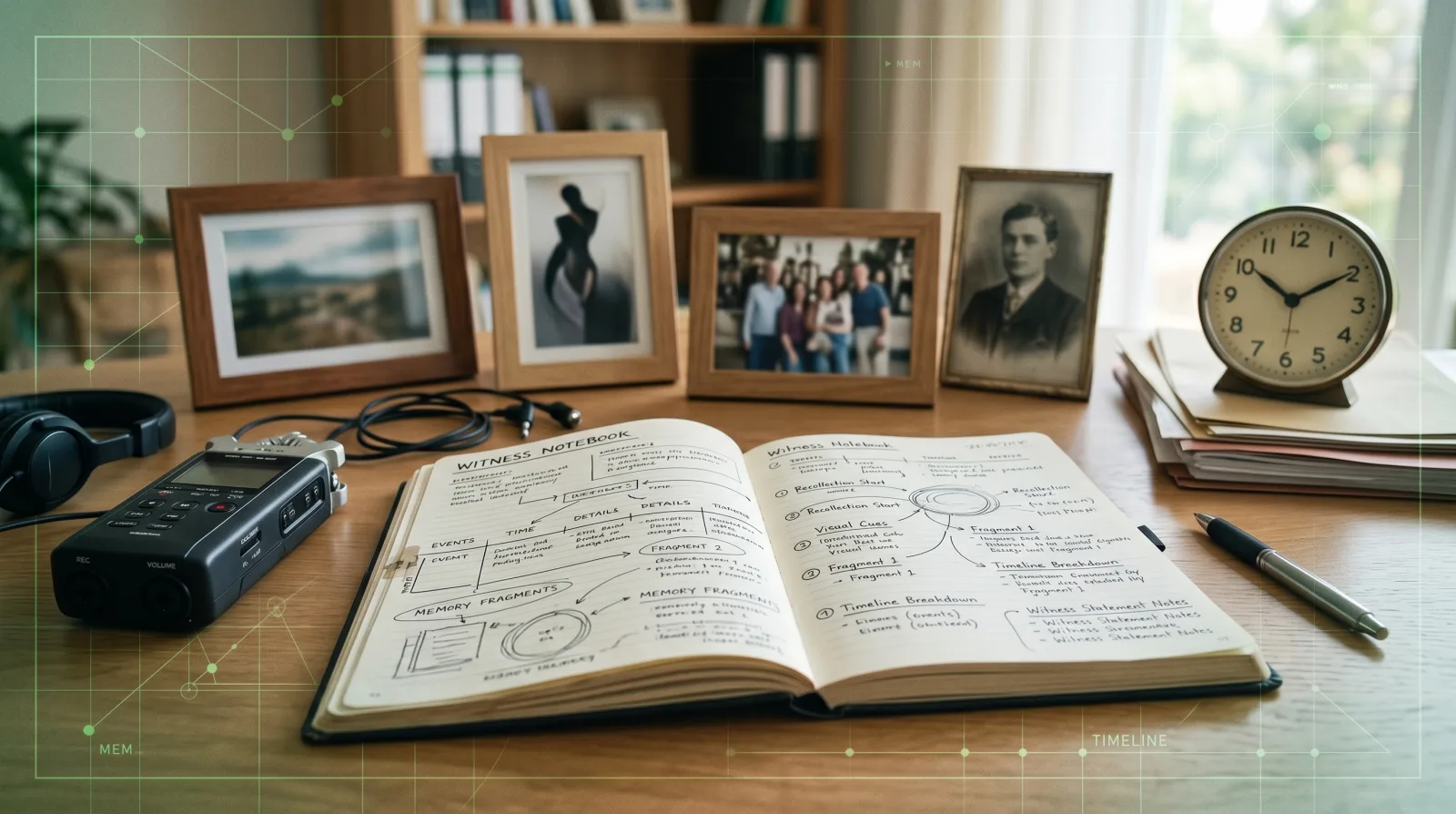
Separate direct memory, later interpretation, witness contamination, and the seductive parts you added later.
Healing-class contact lore, spiritual narratives, and the protocol risk of trusting aesthetics.
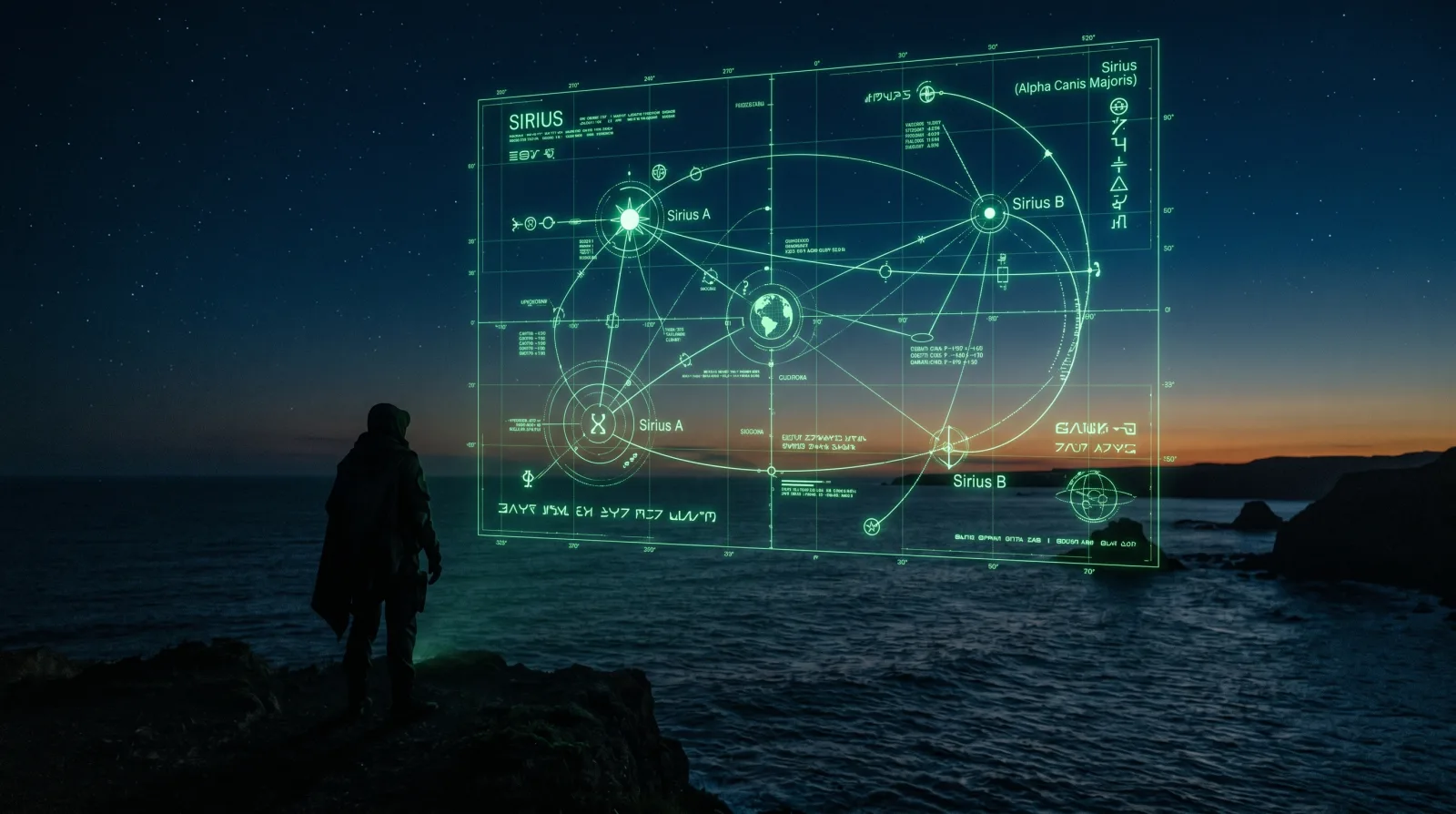
Star-being narratives, water symbolism, ancient claims, and how to keep lore in its lane.
Reported hive imagery, clinical fear, and the difference between pattern language and proof.
The cautionary contact model where silence is strategy, and broadcasting may not be neutral.
One of the strongest sighting archetypes: aircraft ambiguity, formation error, stealth speculation, and evidence discipline.
Reported implant claims handled without panic: medical care first, evidence discipline second, no self-removal ever.
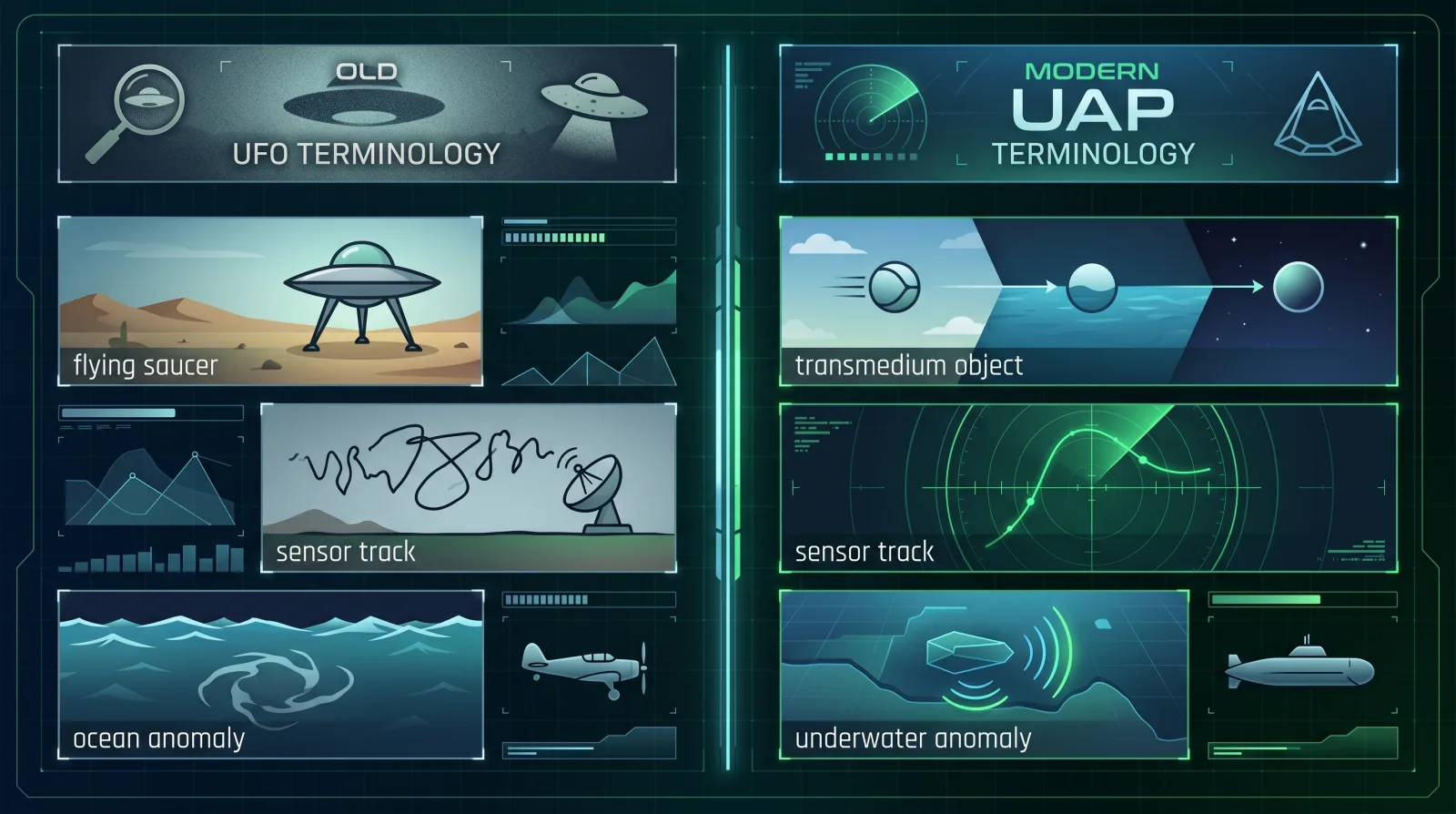
The beginner bridge: what the terms mean, why official language changed, and why neither means alien by default.
The hub now has intention: trust, curiosity, threat understanding, then classification.
Read the archive if you need proof. Take the assessment when you want your civilian role, card, and protocol path.